
Skip to content

Mold Removal Mississauga

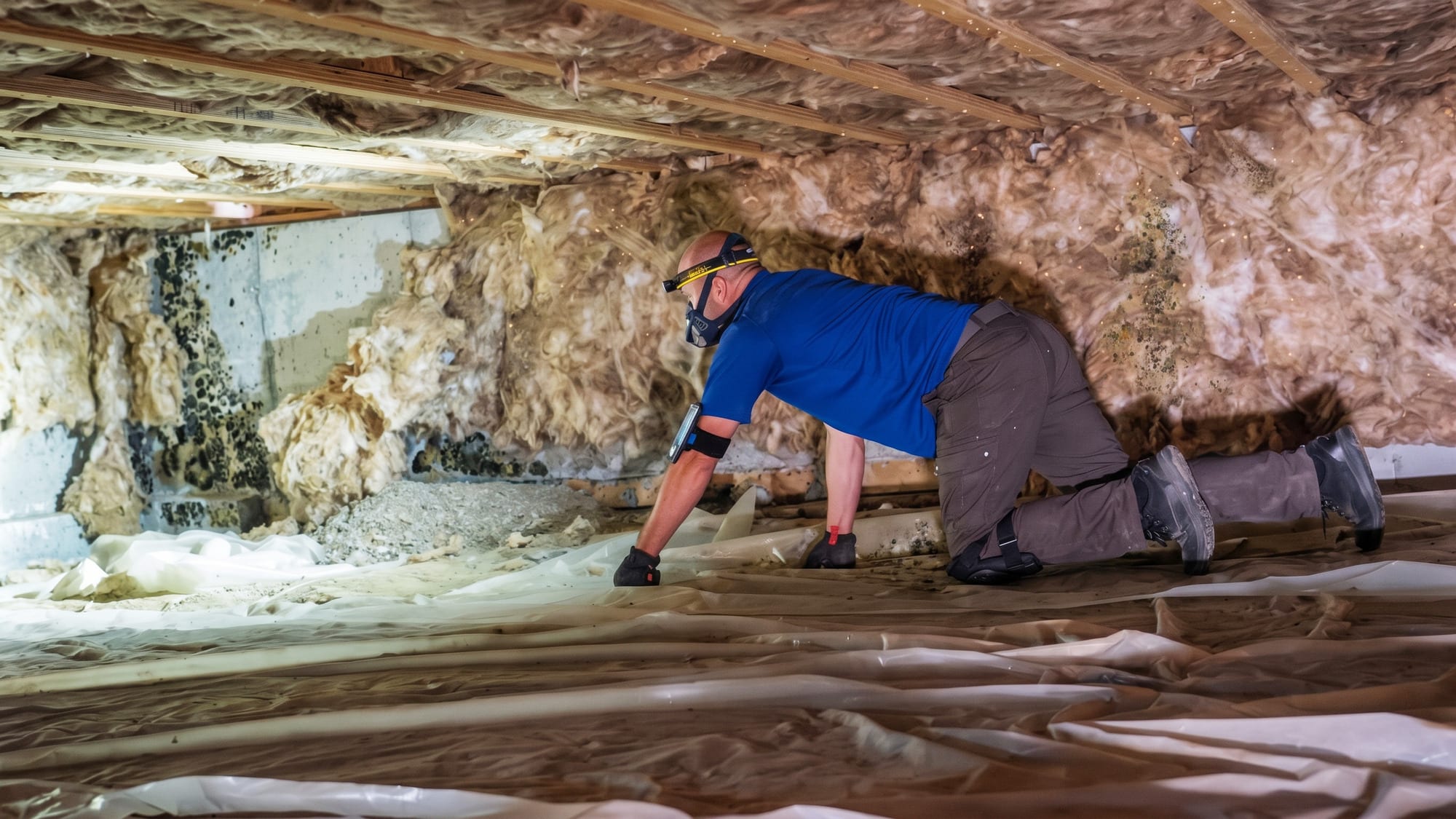
Over the past 12 years, we’ve completed more than 150 mold removal and remediation projects in Mississauga. Of those, 52 involved basement moisture from flooding, seepage or plumbing leaks, and 27 involved attic or cold-space condensation.

That work showed us that the remediation boundary has to follow how the water entered the building, how it moved through the assembly and what stayed wet, not the stain or the flood line. Only then can we decide what can stay, what needs drying and what has to be removed.

Our Mold Removal Oakville team uses the same process across the GTA.

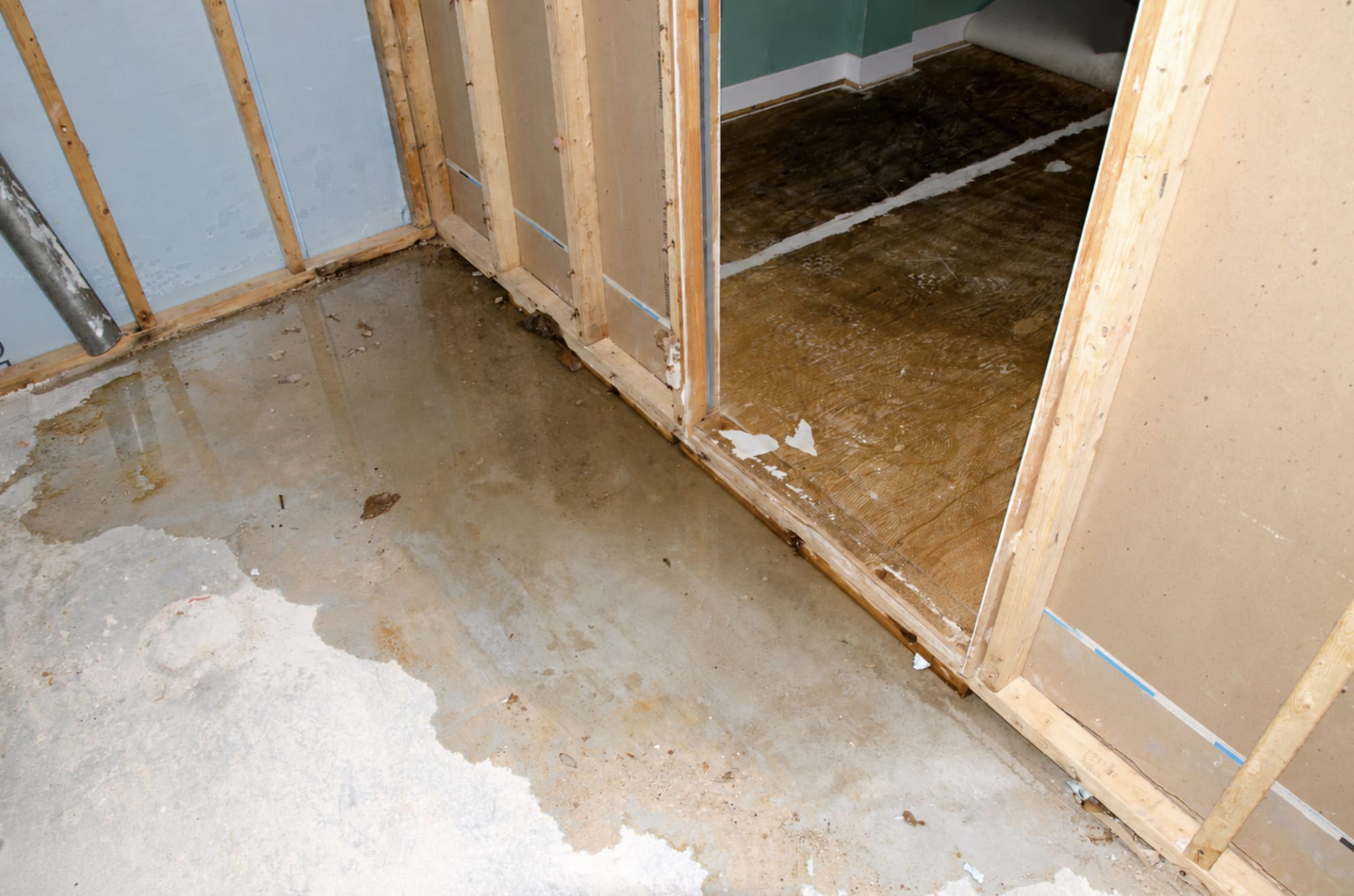
Wet concrete floor and exposed wall studs in a gutted room, illustrating mold removal in Mississauga

Our Projects

Project Address:
Mississauga, Port Credit, ON
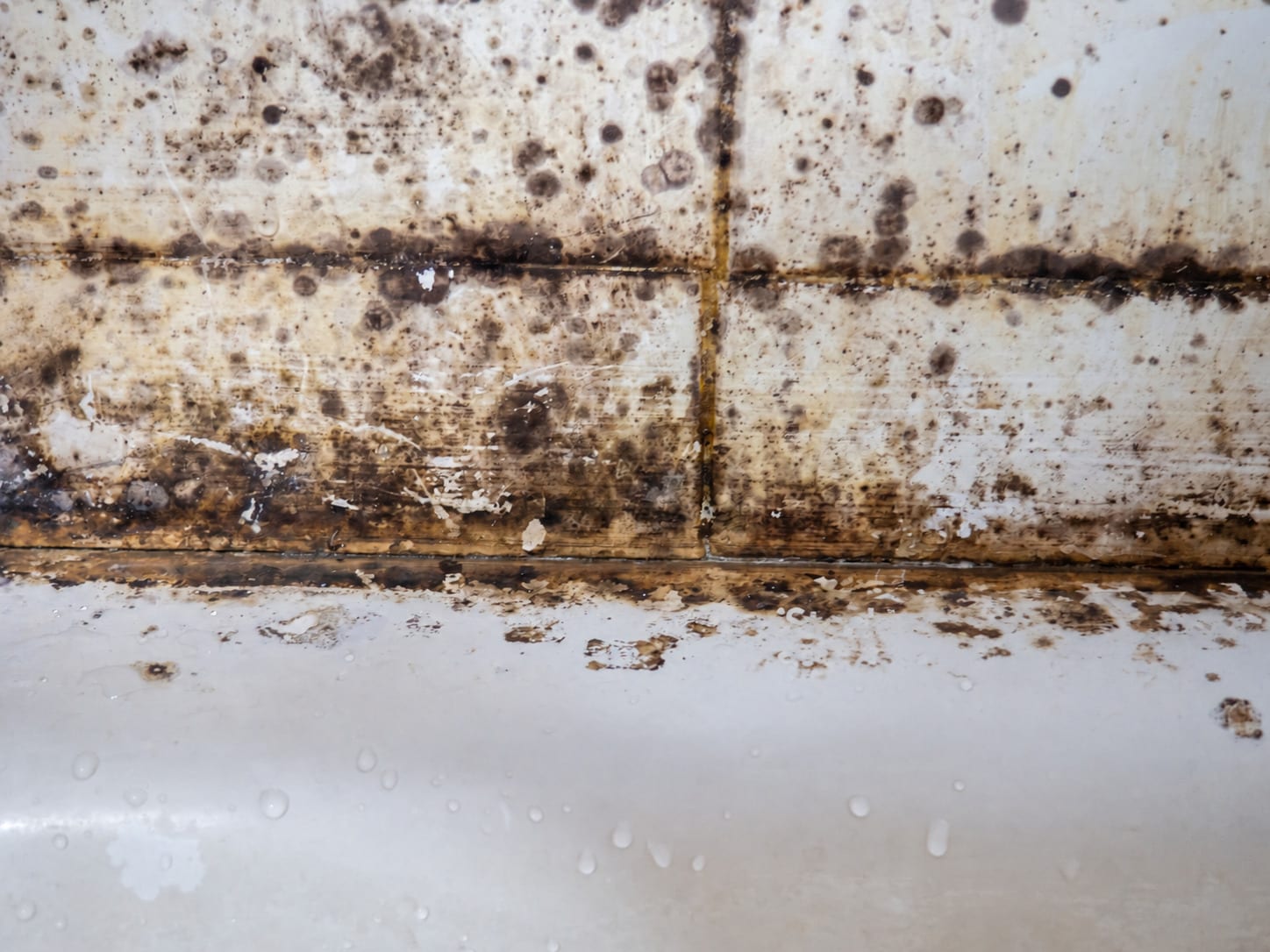
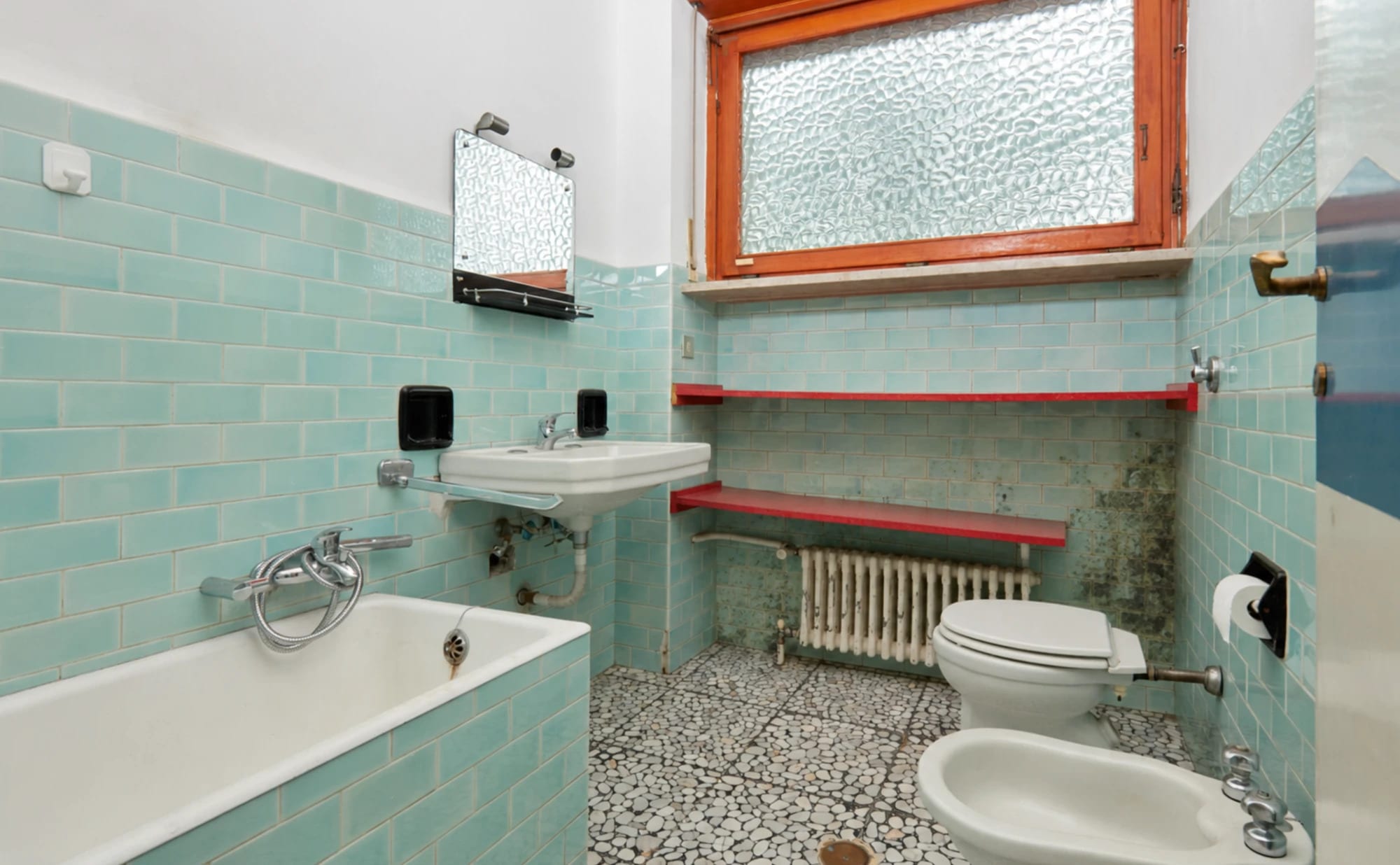
Bathroom with turquoise wall tiles and red shelves showing dark mold staining in the grout beside a radiator and toilet

The turquoise grout behind the toilet had some heavy stains. The homeowner did not want a total bathroom renovation, so removing all of the old tile was being considered.

We recommended an investigation into how many air changes per hour (ACH) the home was getting, as well as potential condensation on the window, before proceeding with mold removal from both the grout and along the edge of the tiles.

Because the radiator restricted access and the existing tile was not being removed, we needed to be extremely detailed in our mold remediation to ensure that all of the affected areas were treated.

Project Cost: Estimated $1,200 CAD

Completion Time: Estimated 2 working days
Project Address:
Mississauga, Streetsville, ON
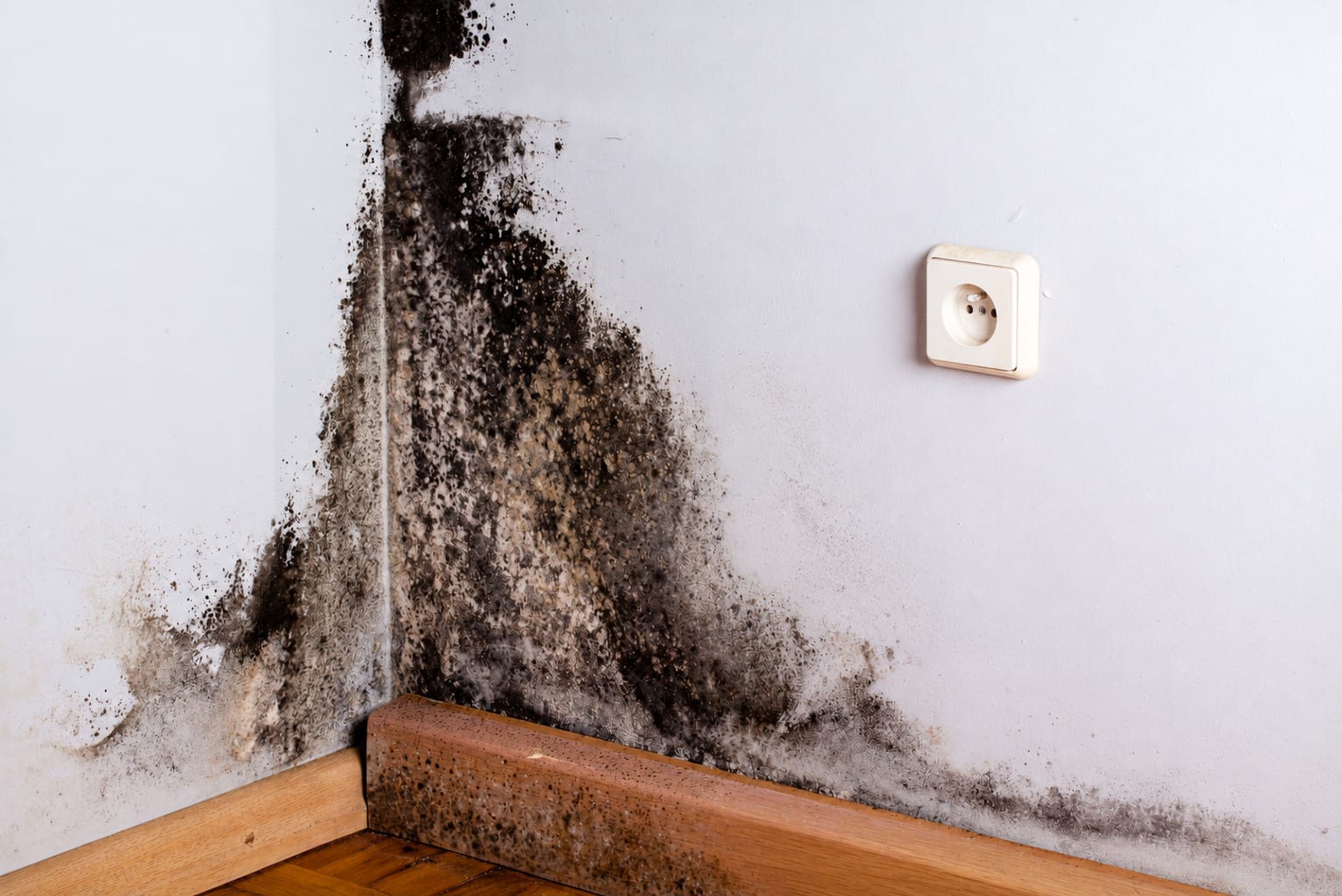
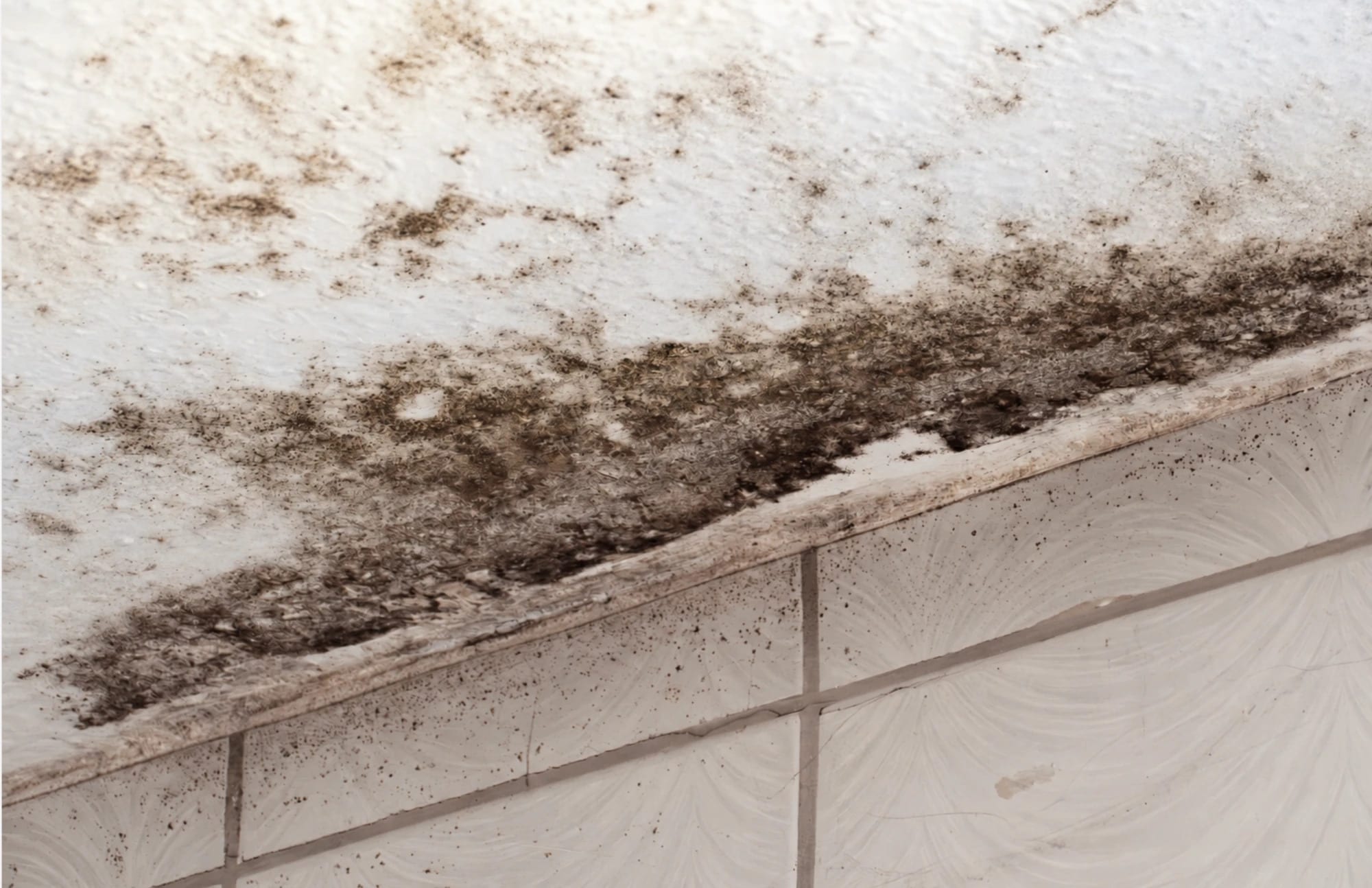
Textured bathroom wall with black mold staining above a tiled edge

When the homeowner moved a cabinet that had been pressed up against the wall, the black staining at the top of the tile area was discovered.

Without air circulation, the humid air from the bathroom, which would normally circulate, collected on the textured surface in this one location.

Since the owner wished to retain their tile work, we suggested localized wall treatment and RH control rather than removing all of the surrounding material.

The treated wall was left clean, with ample space now between the cabinet and the wall to inhibit future buildup.

Project Cost: Estimated CAD $560

Completion Time: Estimated 2 Working Days

Mississauga Mold Remediation After Water Intrusion

  1. Entry Point
  2. Moisture Path
  3. Material Condition
  4. Remediation Decision

Mississauga has had repeated heavy-rain flooding, and the City names foundation drainage, window wells, downspouts and sump pumps among the factors that can affect basement water entry.

About 37.9% of occupied dwellings were built in 1980 or earlier, so we check how the assembly was actually built before assuming a finished basement is like any other.

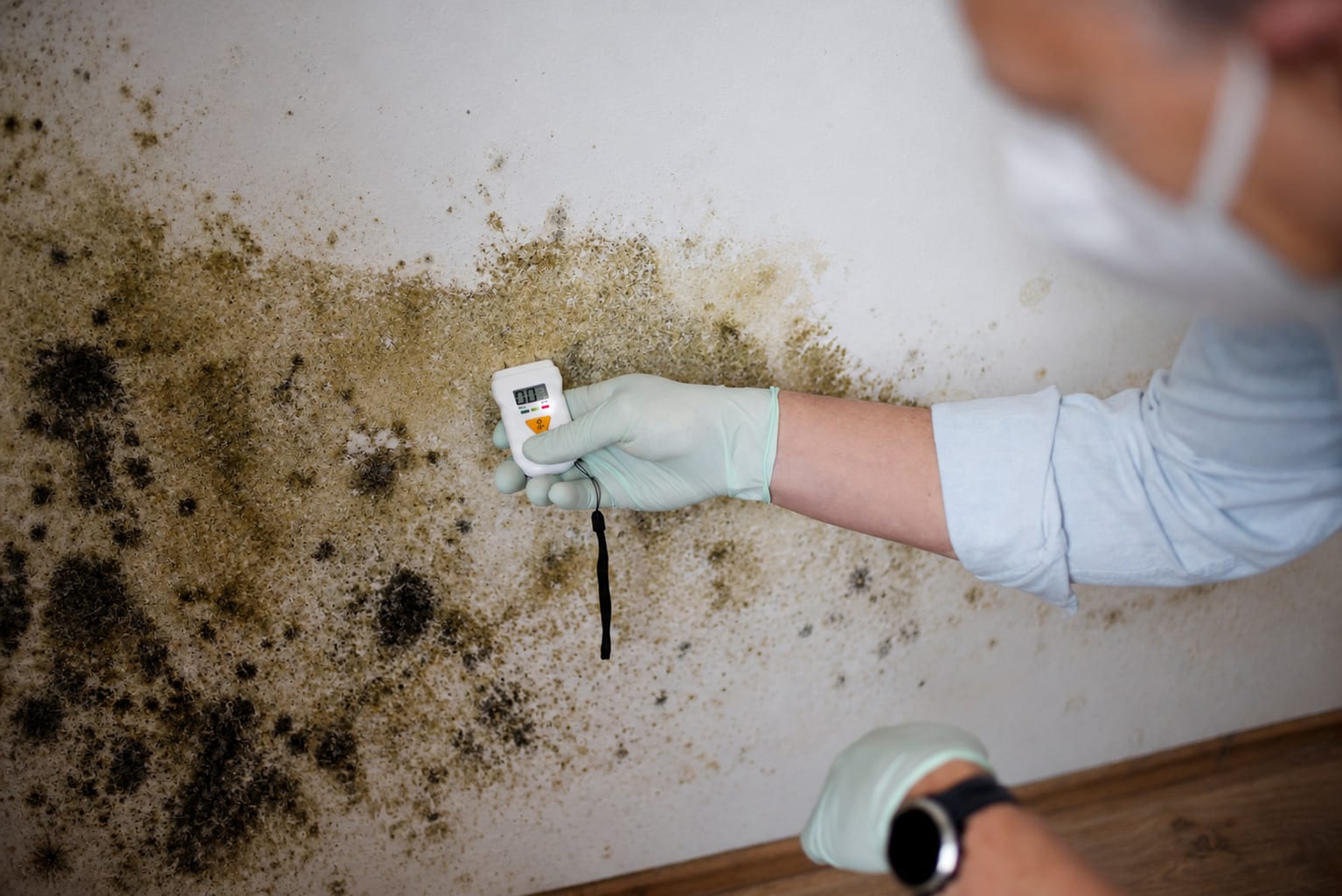
We use pin and pinless moisture meters and a hygrometer to confirm moisture levels, and infrared imaging only to screen for temperature differences that deserve a closer look.

What We Check Behind a Finished Basement

A wet baseboard doesn’t show how far moisture travelled into the wall cavity or beneath the flooring.

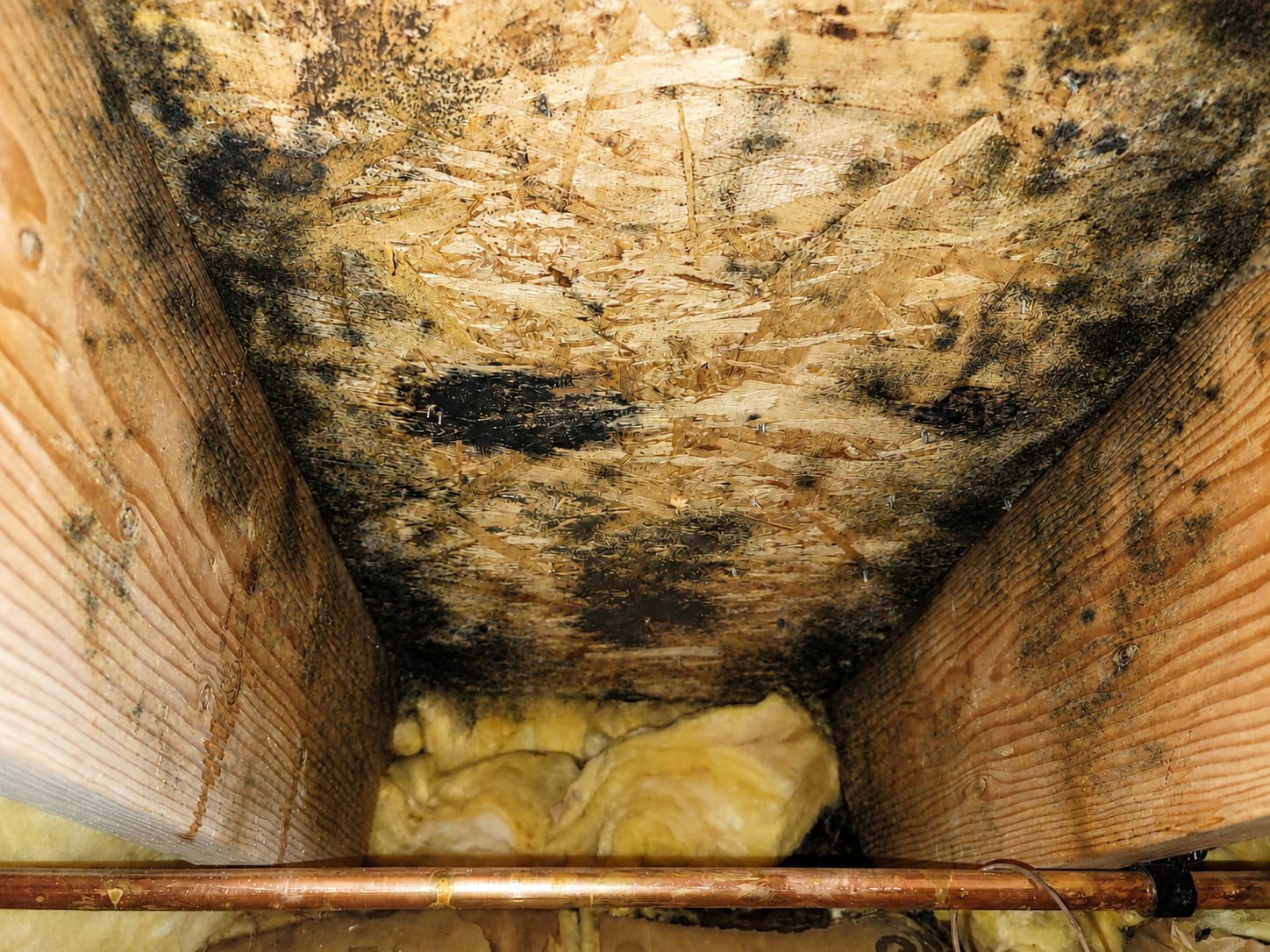
For basement mold removal, we check paper-faced gypsum, fiberglass insulation, bottom plates, laminate or engineered-floor edges and accessible subfloor. Porous material that is contaminated, or can’t return to a stable moisture condition, may need selective removal; dry framing alone doesn’t automatically need to come out.

LGR dehumidifiers and air movers can speed up drying, but they won’t remove contamination from porous materials. Before we close walls or reinstall flooring, we compare retained materials against unaffected reference readings to confirm they’ve returned to a stable moisture condition.

Wall

  1. Paint
  2. Drywall
  3. Insulation
  4. Framing / Bottom Plate

Floor

  1. Floor Finish
  2. Underlayment
  3. Subfloor / Slab
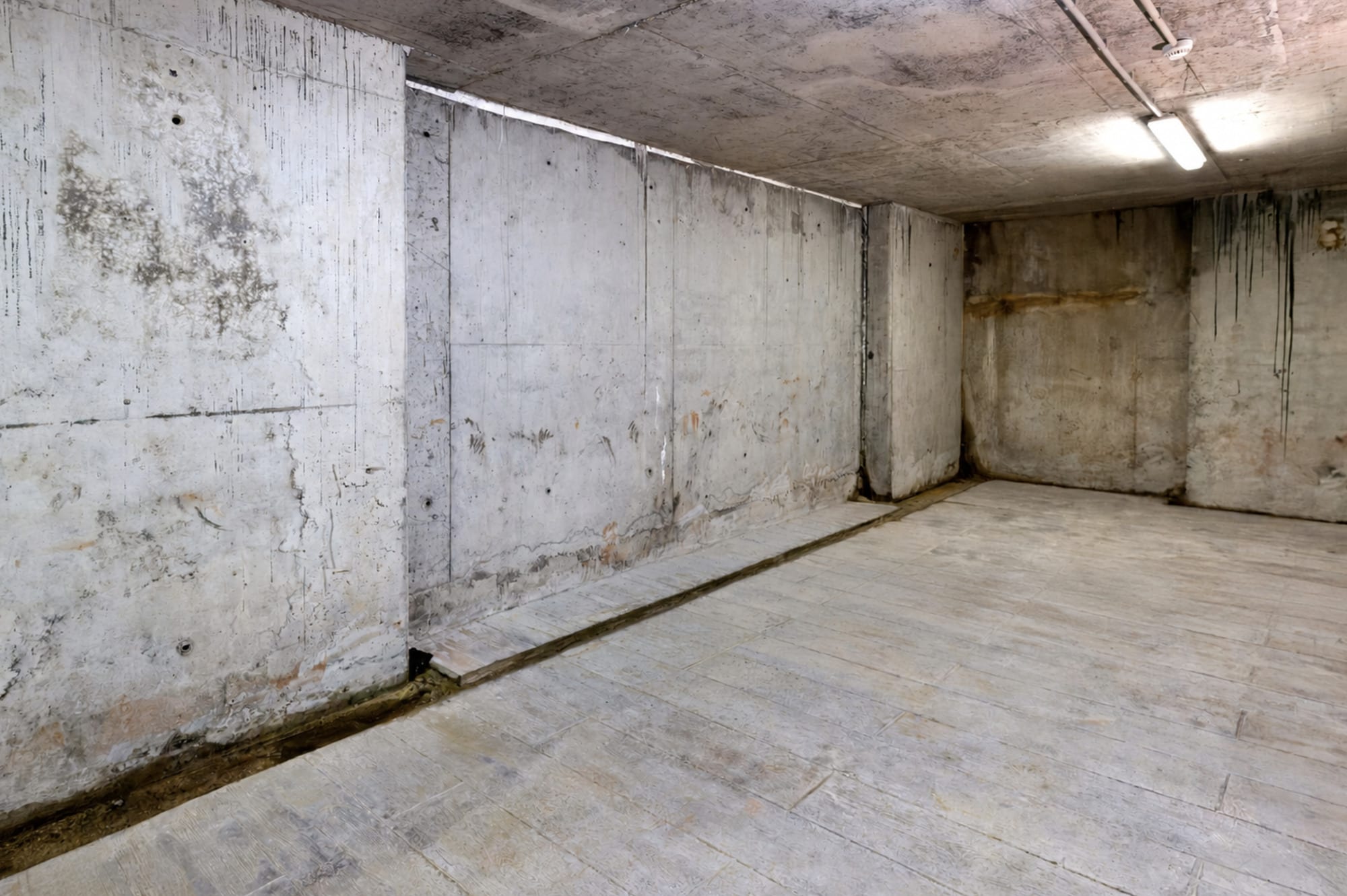
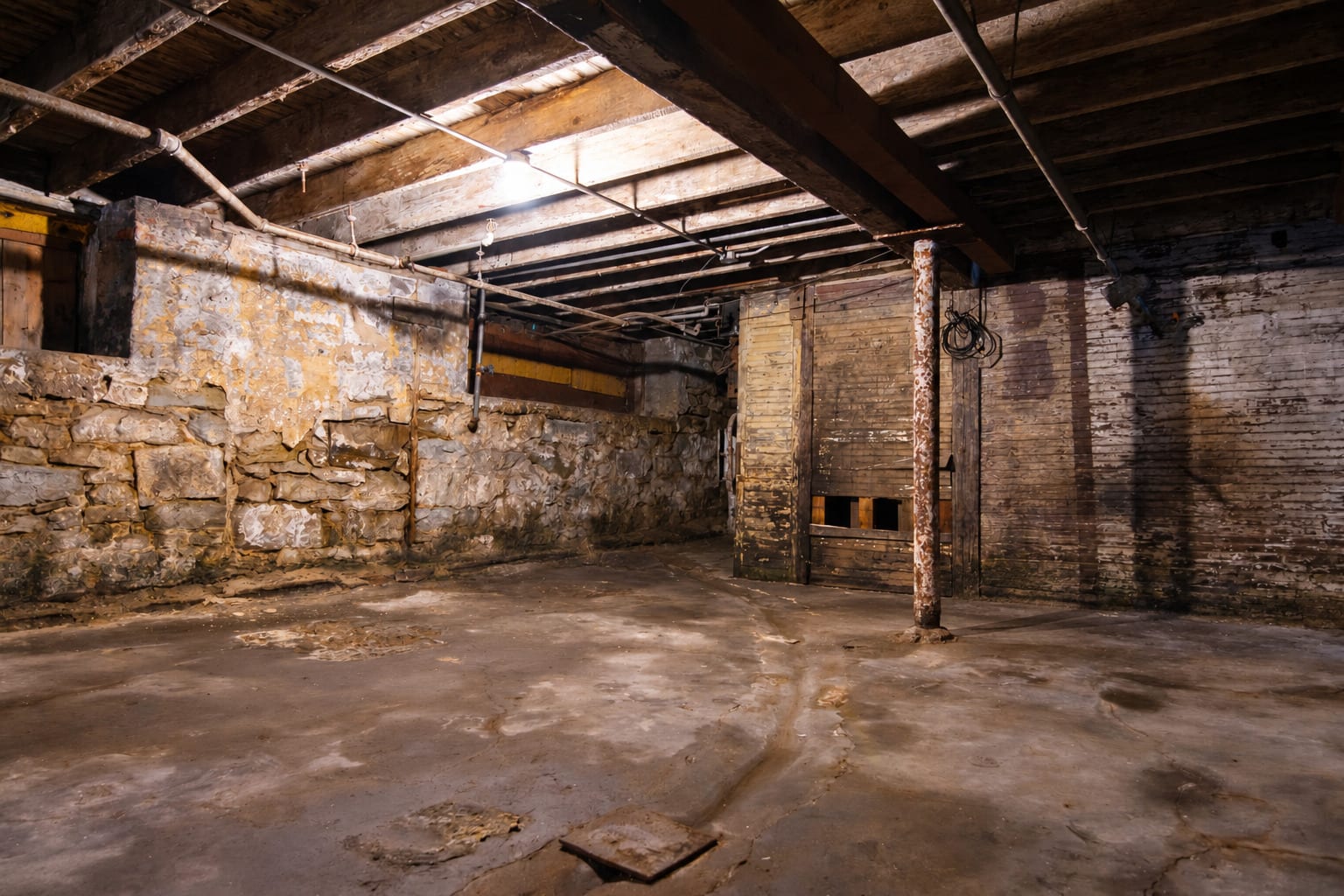
Empty concrete basement with exposed pipes and stained walls, illustrating mold removal in Mississauga

Why the Water Source Changes the Mold Scope

  • Stormwater / Surface Entry

    1. Grading, window well, opening
    2. Basement assembly
    3. Finish materials
  • Foundation Seepage

    1. Below-grade wall
    2. Concealed assembly
    3. Bottom plate, flooring edge
  • Plumbing Loss

    1. Pipe, fixture, appliance
    2. Cavity
    3. Adjoining materials or lower level
  • Condensation

    1. High humidity, cold surface
    2. Recurring moisture
    3. Surface or concealed growth

Foundation seepage, window-well overflow, plumbing leaks and condensation can leave similar stains, yet each needs a different fix.

Before any demolition, we document the moisture path, because poly containment and HEPA-filtered air devices control the work zone; they won’t correct drainage or repair a leaking pipe.

Where contaminated material has to be disturbed, controlled removal and bag-out keep the demolition limited to the affected assembly.

For water damage mold remediation, we keep source repair, drying, contamination removal and reconstruction as separate decisions, so we don’t rebuild over damp materials or remove sound materials next to the affected area.

Mold Removal Mississauga FAQs

Do I need mold testing after basement flooding?

Generally not. If you can see the mold growth and there is clear moisture, testing is unlikely to add information that would change the decision.

Does dry-looking drywall mean the cavity is dry?

No. Surface appearance cannot confirm insulation, bottom plates or concealed gypsum; we rely on material readings and inspection.

Should flood-damaged drywall always be cut at the same height?

No. The boundary should follow affected materials and moisture conditions, not a universal flood-cut measurement.

Can a dehumidifier replace mold remediation?

No. It can support drying, but it cannot clean contaminated gypsum, insulation or other porous materials.

Why can attic mold return after cleaning?

If bath-fan exhaust, soffit blockage, roof water entry or ceiling-plane air leakage remains active, the moisture source remains.

Show Us What You’ve Noticed

Tell us where the moisture appeared, what happened before it, and which materials were affected. We’ll help you separate the water source from the remediation scope.

Red mold culture growing in a glass petri dish beside the estimate form on the Mold Removal Mississauga page

Prefer to talk it through?

Call (289) 825-1188

Get Free Estimate

By submitting, you agree to ourTerms of Use and Privacy Policy

Serving Mississauga and Surrounding Areas

Get Free Estimate Call

By submitting, you agree to ourTerms of Use and Privacy Policy