Skip to content

Post-Remediation Verification Oakville

Before we can rely on a “pass” on a post-remediation verification project, the right things have to be checked first. Over the last 12 years, our team has completed more than 115 post-remediation verification projects in Oakville.

In the past year, 18 verification projects reached final review; 7 of those 18 were not ready at the first check because the agreed scope, visible cleaning or moisture conditions were incomplete, and 4 of those 7 still had elevated moisture in retained materials.

This has taught us that verifying the physical result before relying on a laboratory number is critical. Post-Remediation Verification starts at $340.

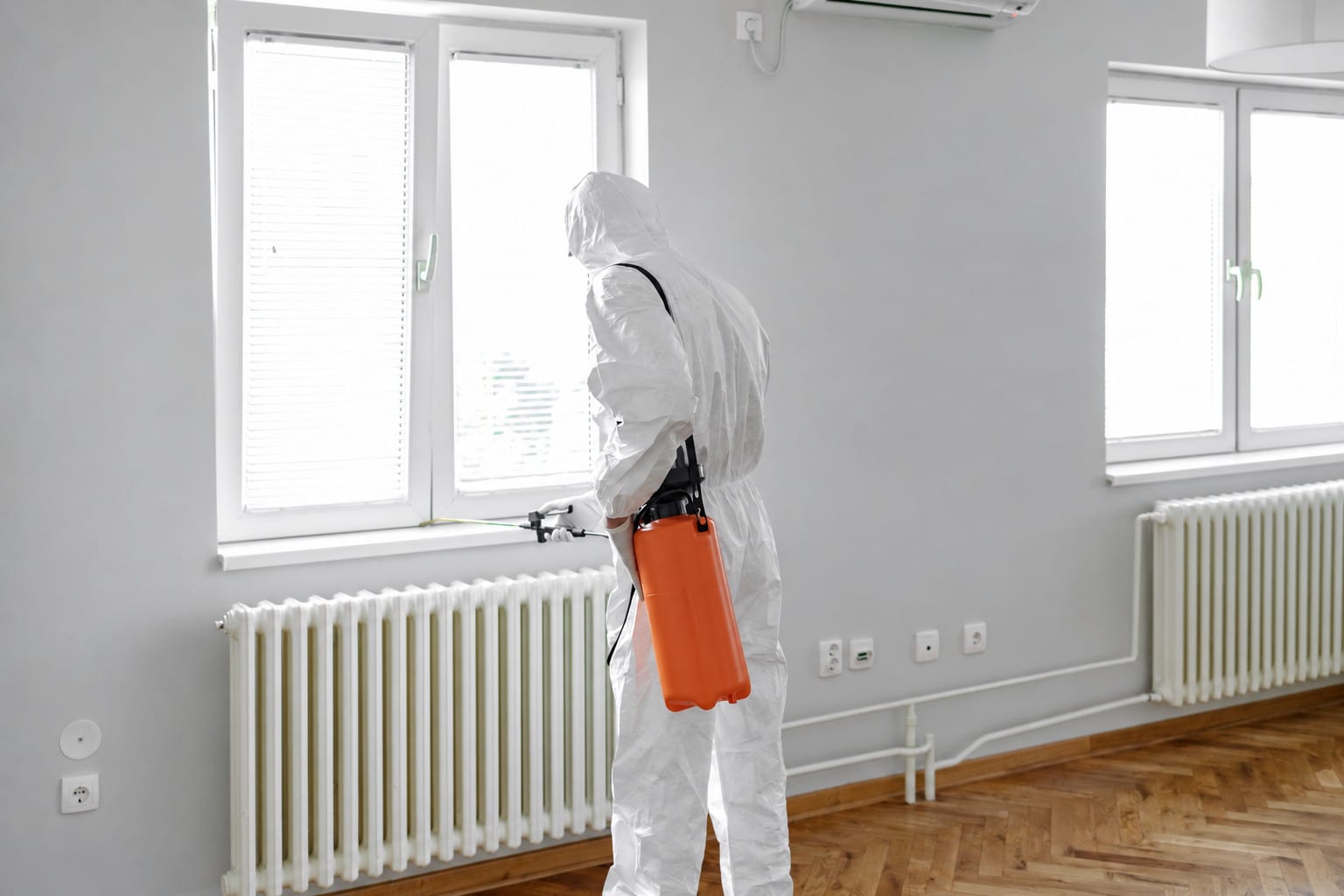
Technician in a protective suit inspecting a cleaned, empty room with windows and radiators, shown for post-remediation verification in Oakville

Our Projects

Project Address:
Oakville, Kerr Village, ON
Service:
Post-Remediation Verification
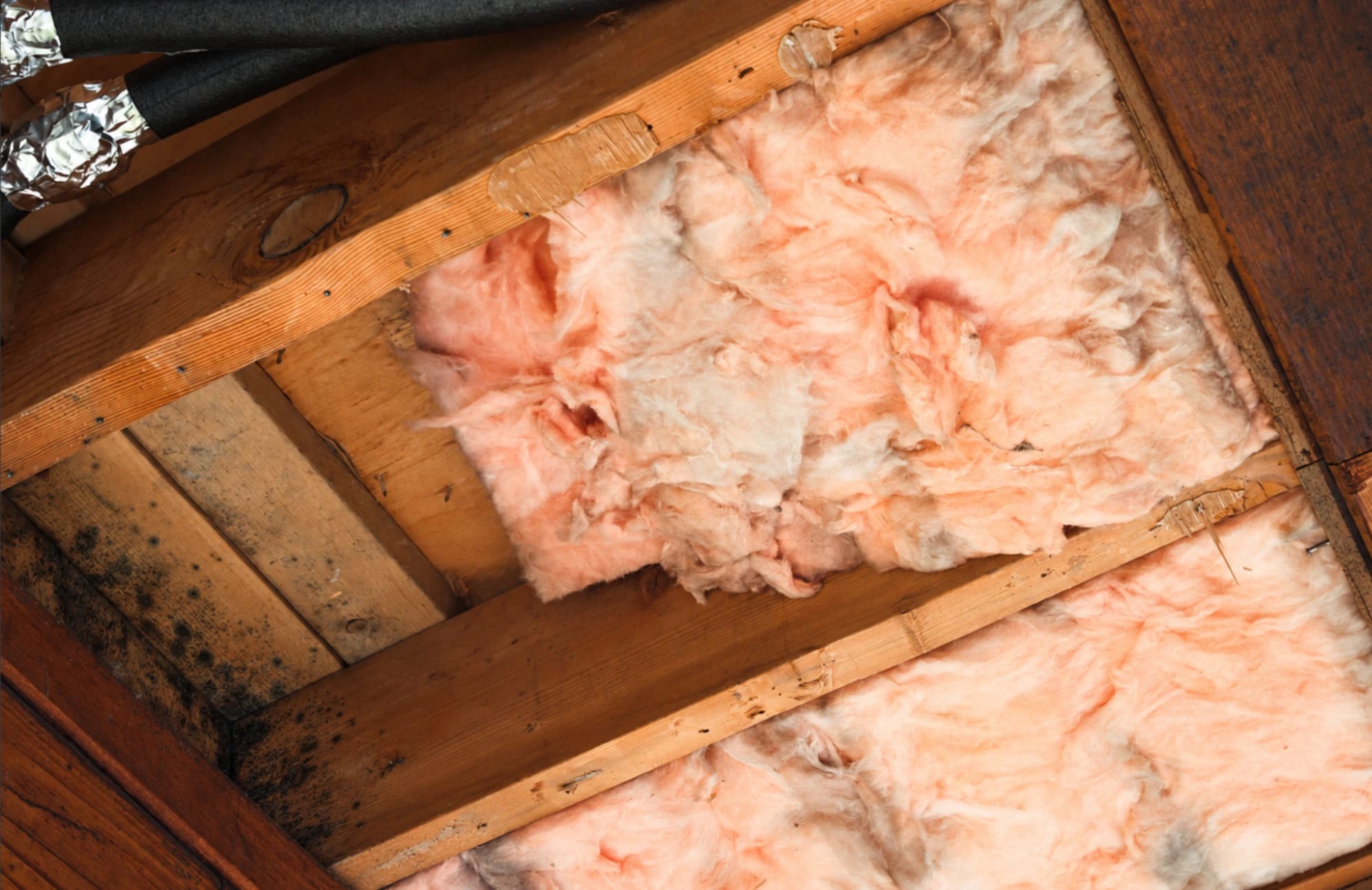
Attic roof sheathing and rafters with black mold speckling beside pink fibreglass insulation batts

Staining on otherwise undamaged rafters led the homeowner to wonder whether the rafters needed to be replaced.

This is another example of how staining can lead people to believe that their rafters are decaying; in reality, staining is only one possible indicator, and it does not prove decay on its own.

Rather than recommending that the rafters be removed, we suggested measuring the wood moisture content (MC) of the suspected rafters. In addition to cleaning the affected area, we also suggested improving airflow through the soffits.

Project Cost: Estimated $2,850 CAD

Completion Time: Estimated 2 working days
Project Address:
Oakville, Old Oakville, ON
Service:
Post-Remediation Verification
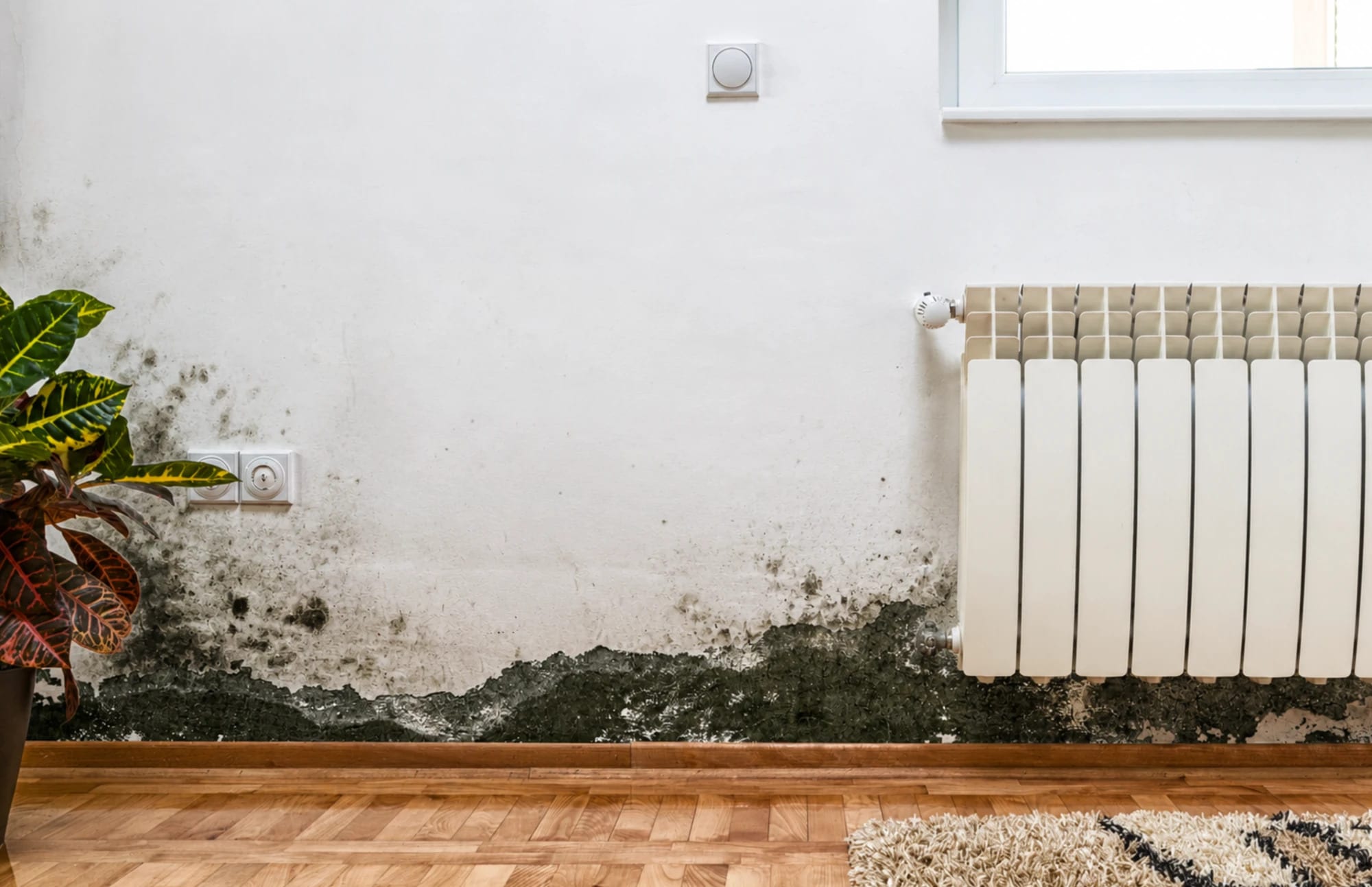
Interior wall below a window and beside a radiator with a dark band of mold growth just above the hardwood floor

The dark band of growth was at the bottom of the wall below a window and stopped right above the hardwood floor. The property owner wanted to protect all of their current trim and flooring from damage.

Surface moisture readings showed that water was wicking up into the lower portion of the wall after heavy rainfall.

Recommendations included improving exterior drainage and limiting demolition to only the damaged plaster. We used HEPA detail cleaning on all surfaces that we would be retaining.

Protecting the flooring allowed them to leave their hardwood floors undisturbed during this time.

Project Cost: Estimated CAD $2,350

Completion Time: Estimated 3 Working Days

What We Check Before Mold Clearance Sampling

To perform an effective post-remediation verification, our first step is to determine the remediation scope (the materials removed, the surfaces cleaned and the moisture source corrected) and inspect framing, subfloor, drywall edges and other retained materials for visible debris or unresolved damage.

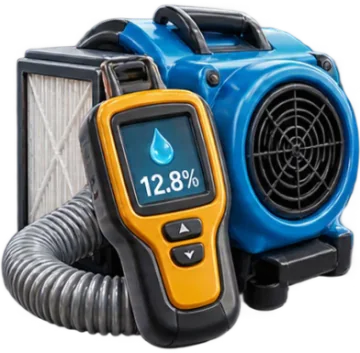
Pin/pinless moisture meters and a hygrometer are used to compare retained materials against dry references.

If the bottom plate of a wall is still wet or debris remains inside the containment zone, taking an air sample does not complete the project. We resolve the physical issues before adding further testing such as laboratory sampling.

  • Removed materials
  • Cleaned surfaces
  • Corrected moisture source
  • Framing
  • Subfloor
  • Drywall edges

PRE vs PRV: Two Different Final Checks

Post-Remediation Evaluations (PRE) are typically conducted by contractors as an internal quality-control process. Post-Remediation Verifications (PRV) are performed by a separate indoor environmental professional (IEP) when independent verification is necessary.

We maintain this distinction between contractor self-checks and independent verification.

A third-party laboratory is not an independent verifier either: the person who designs the sampling plan still controls sample locations, timing, reference samples and interpretation.

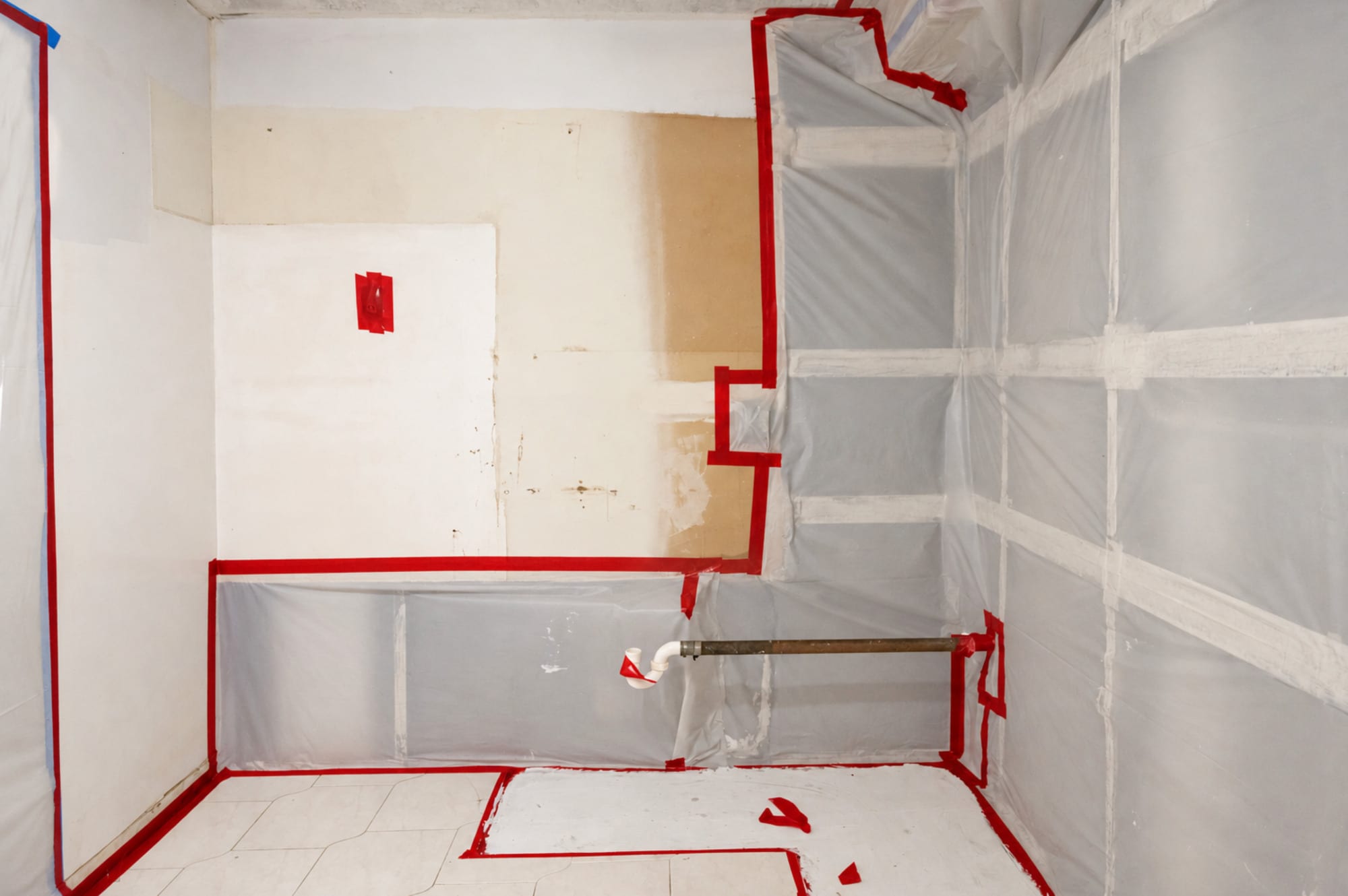
Room with polyethylene containment, red tape and patched drywall at the end of remediation, shown for post-remediation verification in Oakville

When Post-Remediation Sampling Adds Value

Sampling should answer specific completion questions; it should not be a ceremonial final step. When a protocol requires air sampling, a calibrated pump and a non-viable spore-trap cassette may be used with indoor and reference samples; surface tape lifts address different questions.

Chain of custody (COC) information, sample locations and collection conditions belong with the laboratory result.

Short-term airborne spore counts are snapshots and cannot be relied upon as clearance values for occupant health. A single low count does not mean every hidden surface is clean or dry.

What Our Verification Record Should Explain

A useful record connects the original remediation scope to the finished condition. Visual observations, moisture readings, unresolved items and sampling details (where sampling is part of the agreed criteria) give owners a traceable basis for completion.

If the original extent is uncertain, Mold Inspection Oakville should be done earlier. Mold Testing Oakville addresses diagnostic sampling; after a recent water loss, Water Damage Mold Remediation should remove or dry impacted materials before verification.

This gives the owner evidence of completion, not just a “passed” label.

Four Post-Remediation Verification Mistakes

  • Sampling before the area is physically ready.Moisture, debris or incomplete removal must be resolved before sampling.
  • Calling a laboratory independent verification.A laboratory may operate independently, but assessor independence is established separately.
  • Removing containment too early.The controlled work environment may no longer exist for a final walk-through inspection.
  • Using one universal “safe”spore count. There is no established health-based airborne mold threshold, so a single number cannot serve as a completion standard for all buildings.

Post-Remediation Verification Oakville FAQs

How much does post-remediation verification cost?

Starts from $340. Cost varies depending on the size of the area, documentation, moisture checks and whether sampling is required.

Does every project need air sampling?

No. Sampling should happen only when it is part of the agreed verification criteria.

What does a passing air sample prove?

It describes the sampled air under those specific conditions; it says nothing about every hidden surface in the structure.

Should PRV be independent?

Yes, when independent verification is stipulated in the agreement; the verifier must then be distinct from the remediation contractor.

When should verification happen?

After remediation is complete and before reconstruction conceals materials that may still require review.

What if the area is not ready?

We document the remaining issues and outline what must be corrected before final verification.

A Clear Plan Starts With Understanding the Problem

Show us what you’ve noticed. We’ll help you make sense of it.

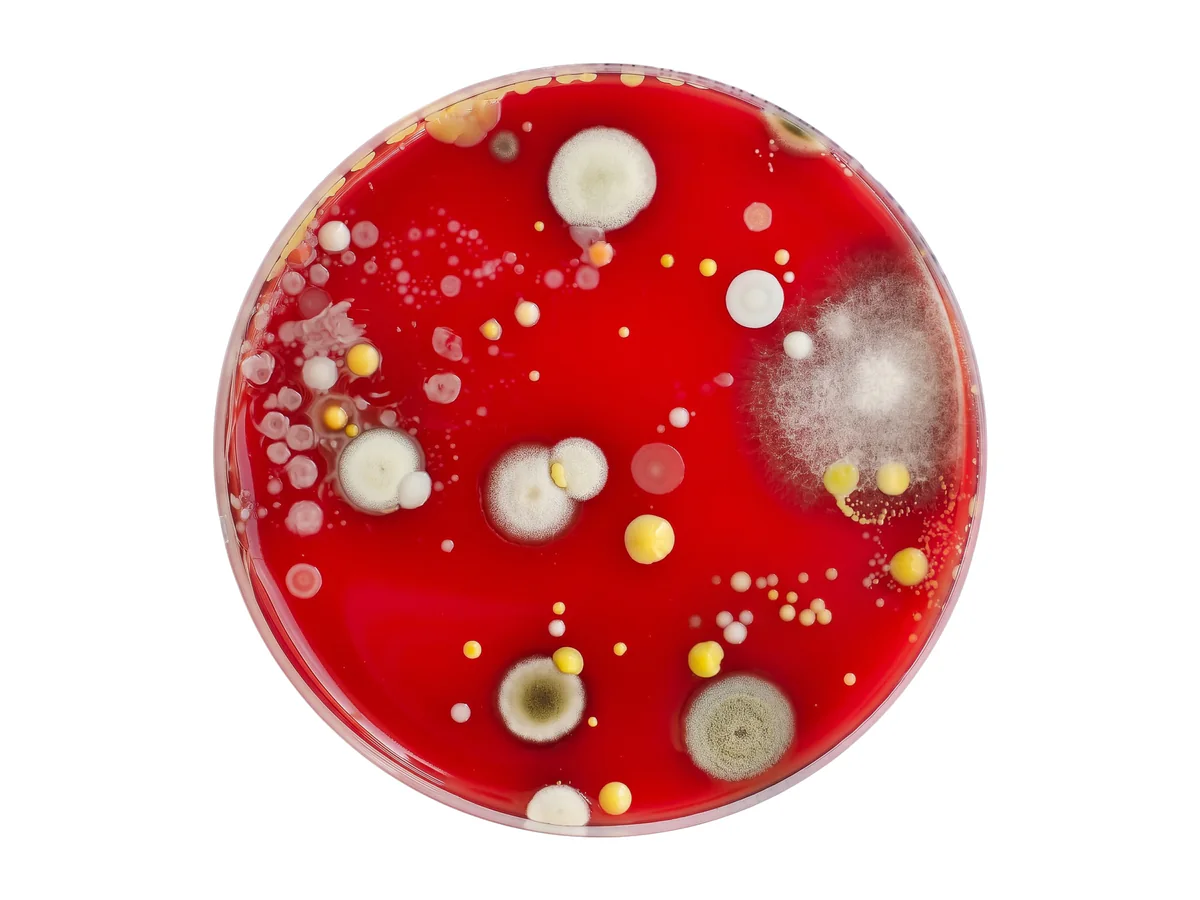
Red mold culture growing in a glass petri dish beside the post-remediation verification estimate form in Oakville

Prefer to talk it through?

Call (289) 825-1188

Get Free Estimate

By submitting, you agree to ourTerms of Use and Privacy Policy

Get Free Estimate Call

By submitting, you agree to ourTerms of Use and Privacy Policy