Skip to content

Water Damage Mold Remediation Oakville

The puddle is usually gone before the wall assembly is dry. Over the past 12 years, our team has completed more than 180 water-damage mold remediation projects in Oakville.

Last year, we completed 27 projects resulting from leaks, flooding or excessive wetting. Of these 27 projects, 17 had moisture present beyond the visible stain, and 10 of those 17 required selective removal of wet porous materials (such as paper-faced gypsum, underpad or insulation).

Based on this experience, we learned that the remediation boundary cannot be drawn from where the water was visible—we document the wet assembly first. This service starts from $1,480.

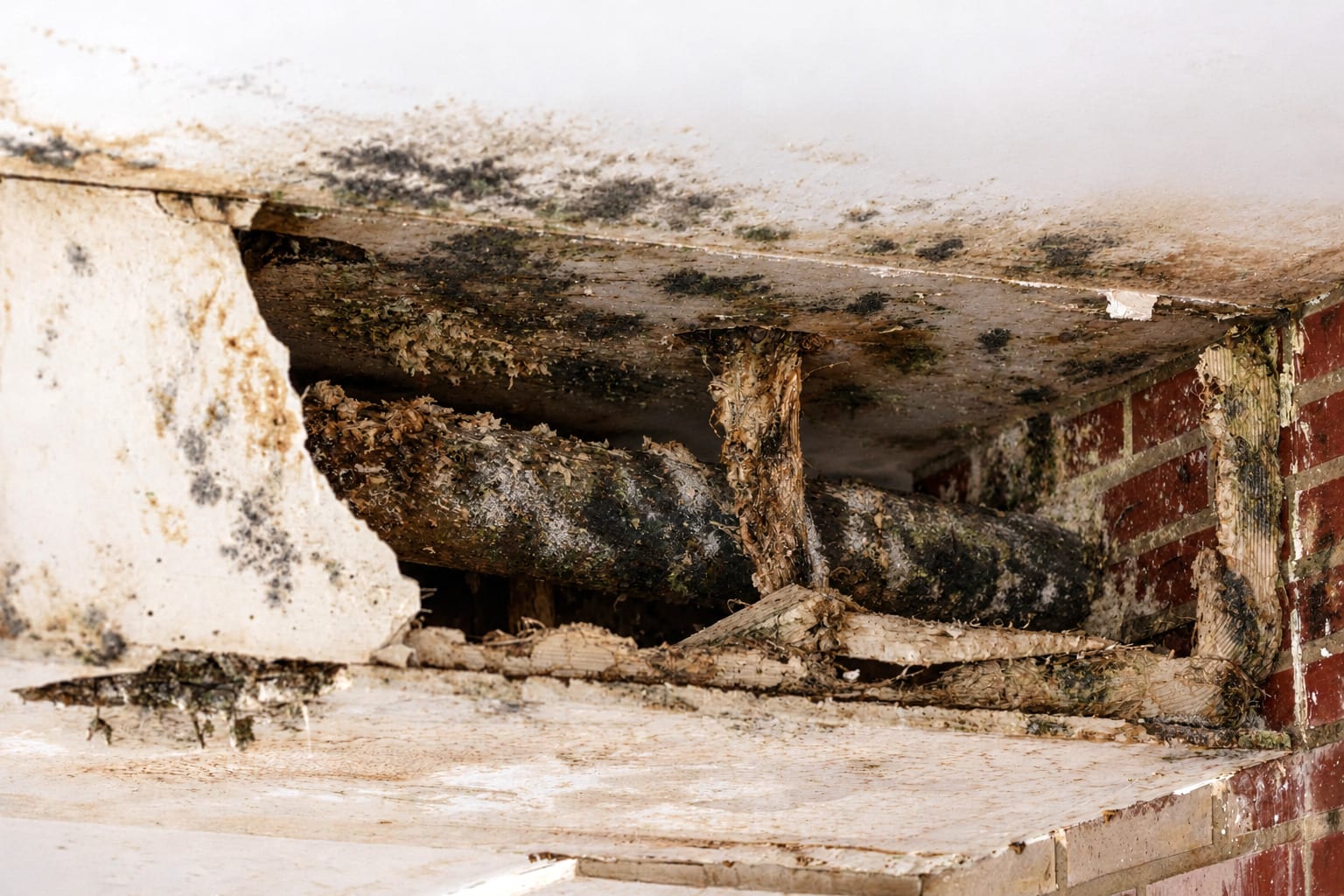
Mold-stained ceiling cavity with deteriorated wood and plaster beside a brick wall after prolonged wetting, shown for water damage mold remediation in Oakville

Our Projects

Project Address:
Oakville, Glen Abbey, ON
Service:
Water Damage Mold Remediation
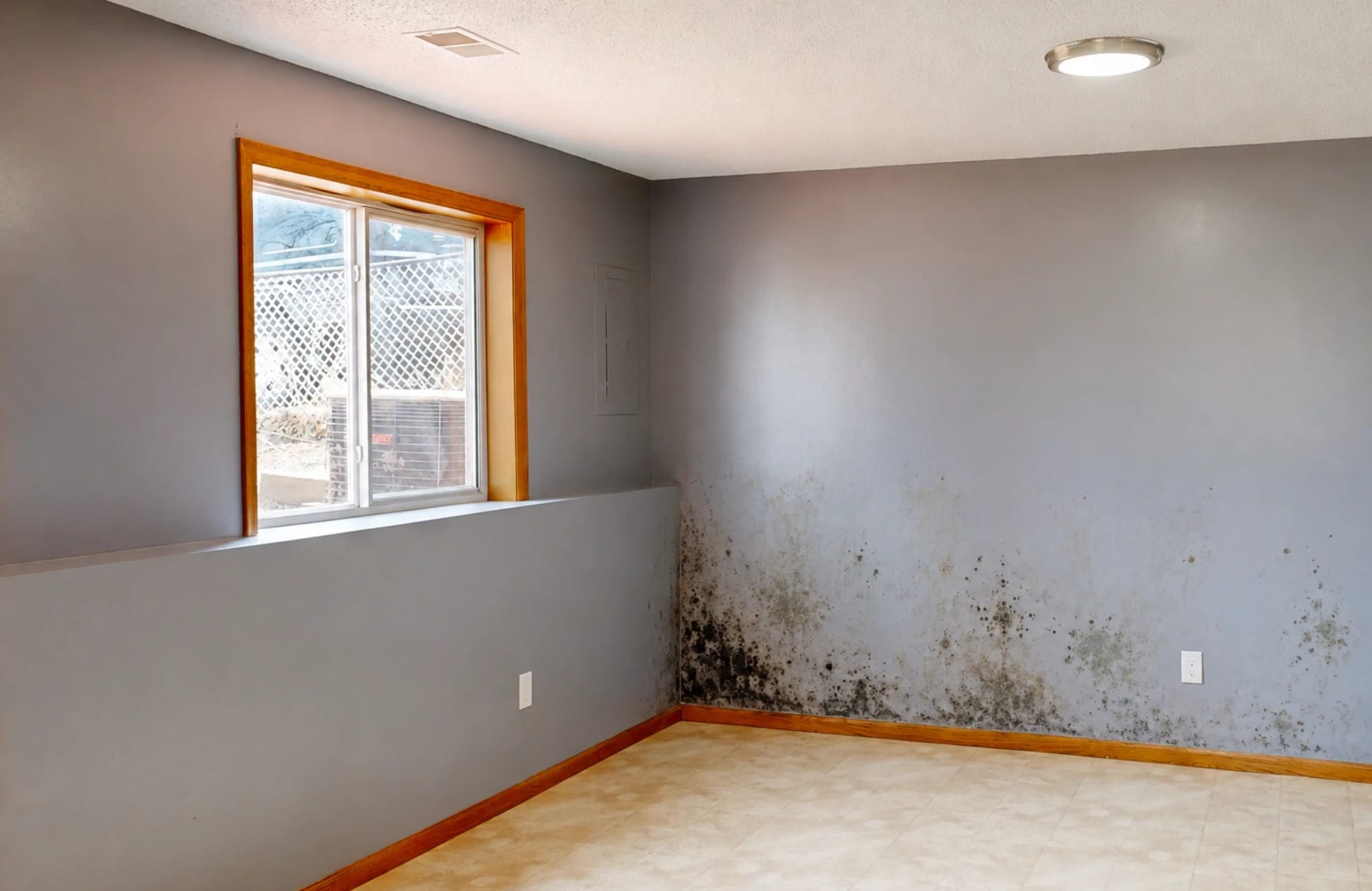
Grey basement wall with dark mold spread along the baseboard and inside corner beside a window with oak trim

At first the homeowner thought they would just give their grey basement wall a new coat of paint; however, when the mold started growing up the baseboard and into the corner of the room, we had a serious discussion.

They wanted to preserve the honey-coloured trim. We suggested removing only the drywall damaged by the water. Then, with the help of a moisture meter, we could determine how far back to take out the drywall.

We would also have to protect the trim while cleaning. Finally, we explained why they should be looking at controlling indoor humidity levels and correcting the source of excess moisture before painting.

Project Cost: Estimated $2,880 CAD

Completion Time: Estimated 3 working days
Project Address:
Oakville, Clearview, ON
Service:
Mold Remediation After Water Damage
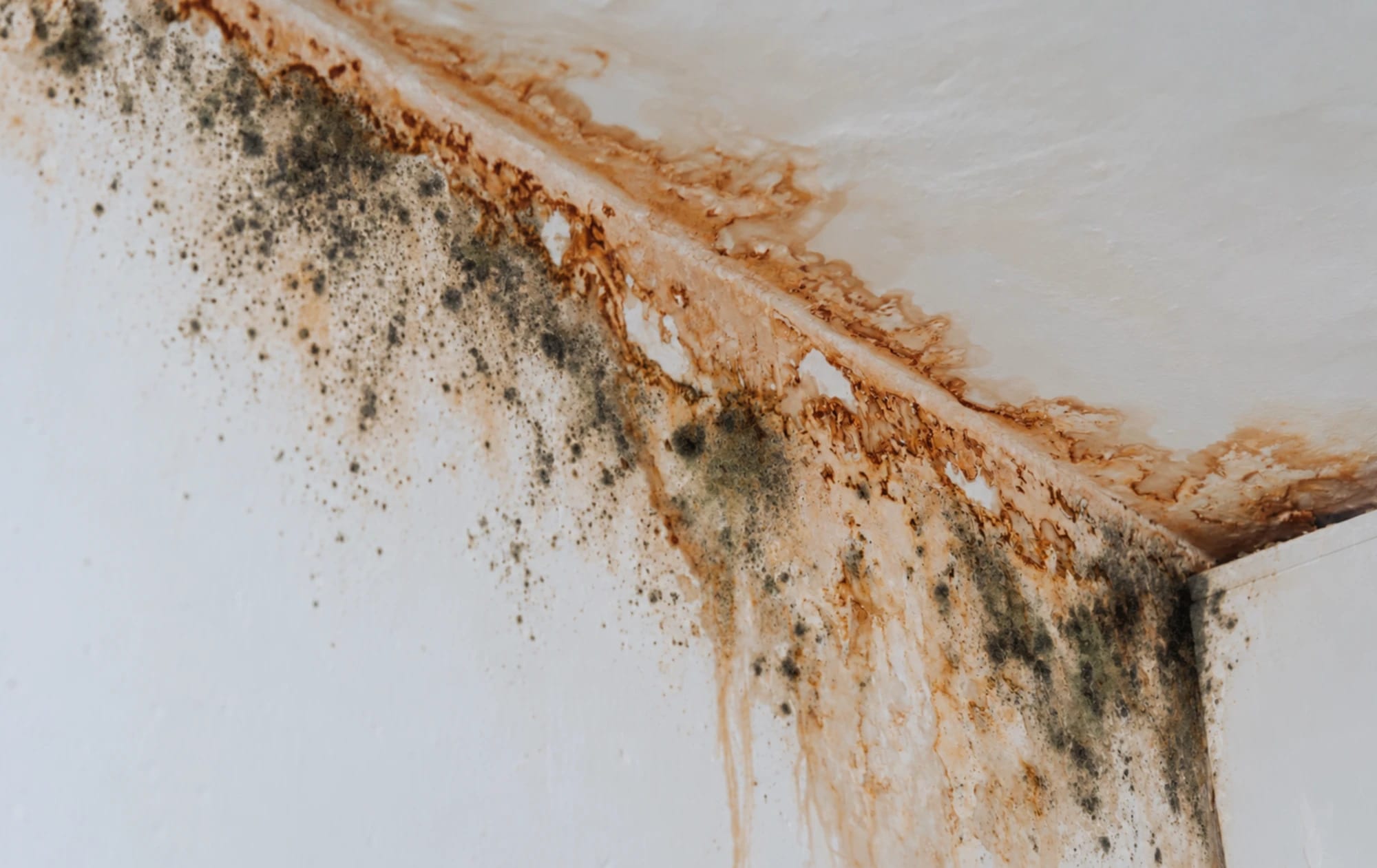
Ceiling and wall corner with rust-colored water streaks and dark mold growth below a leaking joint

Brown-coloured streaking near the top of the ceiling indicated a leak from an upper plumbing connection. Initially the owner had been concerned that they would have to replace the whole ceiling.

Therefore, we suggested performing moisture testing to reduce removal. Only one insulation pocket contained excessive moisture, which caused us to add a drying day.

Once the leak was repaired, we removed the affected gypsum board and confirmed moisture content. Fortunately for the owner, we were able to keep the repairs as local as possible.

Project Cost: Estimated CAD $2,210

Completion Time: Estimated 3 Working Days

The Leak Is Not the Drying Map

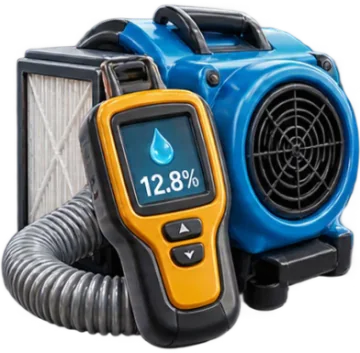
We assess the path of the water through your assembly using pin and pinless moisture meters, a thermohygrometer and infrared scanning.

An infrared scan shows temperature patterns within the assembly; it does not determine whether mold is present.

The 24–48 hour timeframe matters for how quickly materials dry, but it is not a hard-and-fast rule for what stays and what goes. Other factors include the type of material affected, the source of the water and how well materials respond to drying.

  • Drywall
  • Insulation
  • Framing
  • Subfloor
  • Flooring transitions

How We Decide What to Dry or Remove

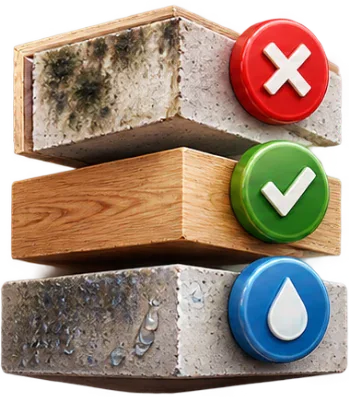
In most cases, sound framing can stay when moisture readings and drying response support it.

Paper-faced drywall, underpad and insulation need a separate decision because they can hold moisture in place; when wet, they often warrant removal. Concrete and masonry are evaluated by moisture content and cleanability.

We do not use a fixed cut height above every water line. Capillary action can carry moisture upward inside gypsum or insulation, while adjacent dry material may remain unaffected.

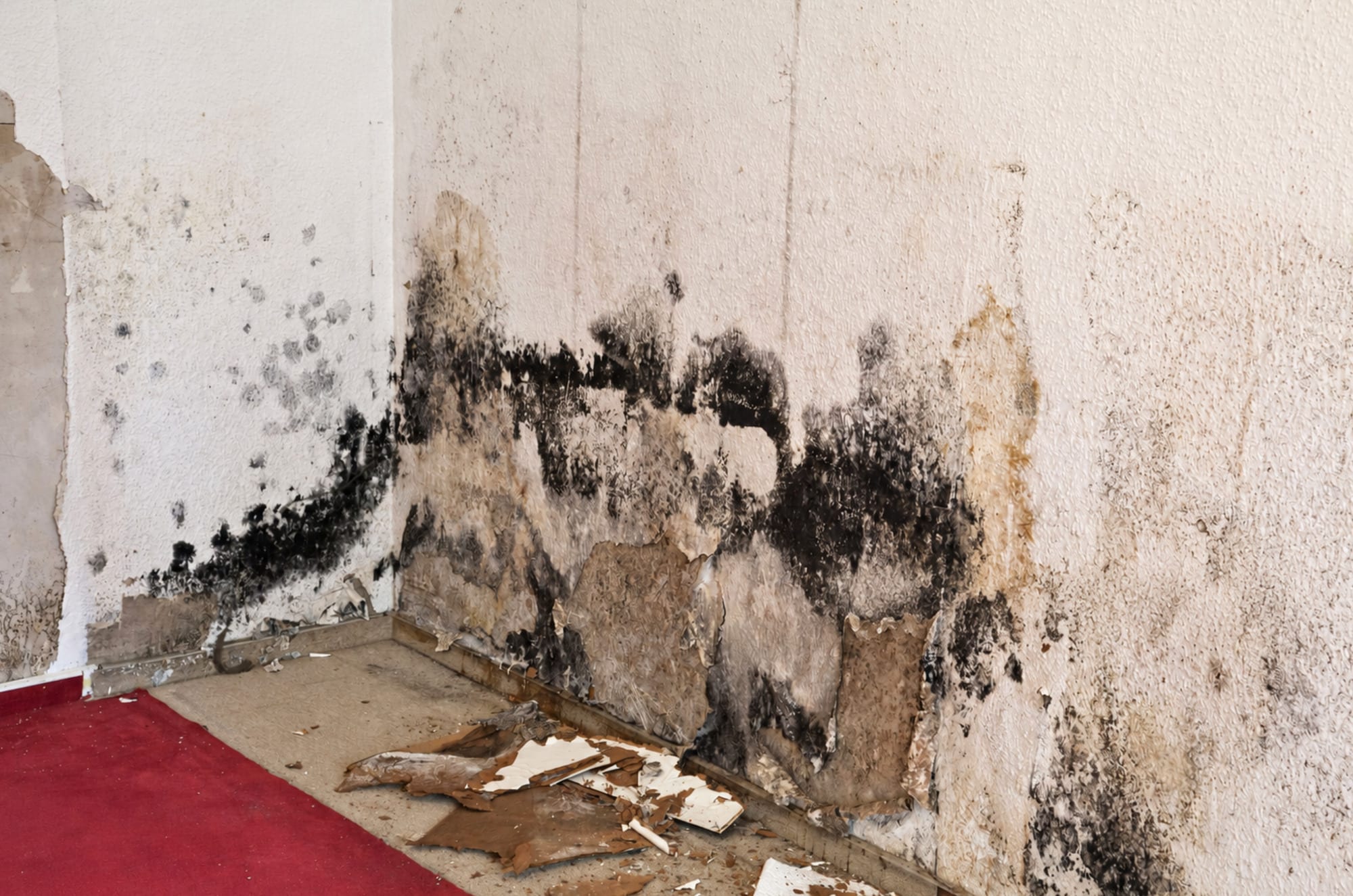
Black mold and peeling plaster along the lower wall at the floor transition after water exposure, shown for water damage mold remediation in Oakville

How We Dry Water-Damaged Materials

Once extraction and selective removal are complete, we build the drying setup around the remaining assemblies.

LGR dehumidifiers lower vapour pressure, air movers increase evaporation rates, and HEPA-filtered air-filtration devices provide particulate control when containment is necessary.

Instead of relying on drying equipment running as proof that the structure is ready to close, we monitor relative humidity and material moisture.

Supply-line leaks, rainwater and wastewater must be handled differently. We identify each source before deciding what can be dried, what must be removed and which repairs belong to other trades.

What We Check Before Reconstruction

Before reinstalling new drywall, flooring or insulation, we want three answers: has the source of the water stopped, are retained materials acceptably dry, and was the remediation boundary properly identified?

If extent is uncertain, Mold Inspection Oakville is recommended. If a defined sampling question could alter the decision, Mold Testing Oakville is also beneficial. After basement water entry, Basement Mold Removal Oakville is generally the more specific scope.

Without satisfactory answers, new finishes can end up covering damp bottom plates or subfloor edges.

Four Water-Damage Mold Mistakes Worth Avoiding

  • Using the visible stain as the cut line.Moisture can travel farther inside porous materials than stains show.
  • Running air movers without considering containment.Air movement can dislodge debris during remediation when no containment is used.
  • Removing every material that got wet.Structural materials may remain when drying shows that retaining them is feasible.
  • Rebuilding because surfaces feel dry.Surface contact does not confirm that there is no moisture inside the assembly.

Water Damage Mold Remediation Oakville FAQs

How much does water-damage mold remediation cost?

Starts from $1,480. Cost depends on the materials involved, the amount of concealed moisture, containment needs, drying requirements and reconstruction.

Does wet drywall always need removal?

No. Decision factors include the time since exposure, the condition of the drywall and its expected drying capacity.

Can moisture remain under flooring?

Yes. Underpad, subfloor edges and wall-floor transition areas can stay wet even though the surface appears dry.

Do you always test after a leak?

No. Testing is done only when the result can answer one or more outstanding questions.

How do you confirm drying?

Material readings are compared with readings from known dry reference areas.

When can reconstruction begin?

After the source of the water is controlled, remediation is complete and retained materials show satisfactory drying.

A Clear Plan Starts With Understanding the Problem

Show us what you’ve noticed. We’ll help you make sense of it.

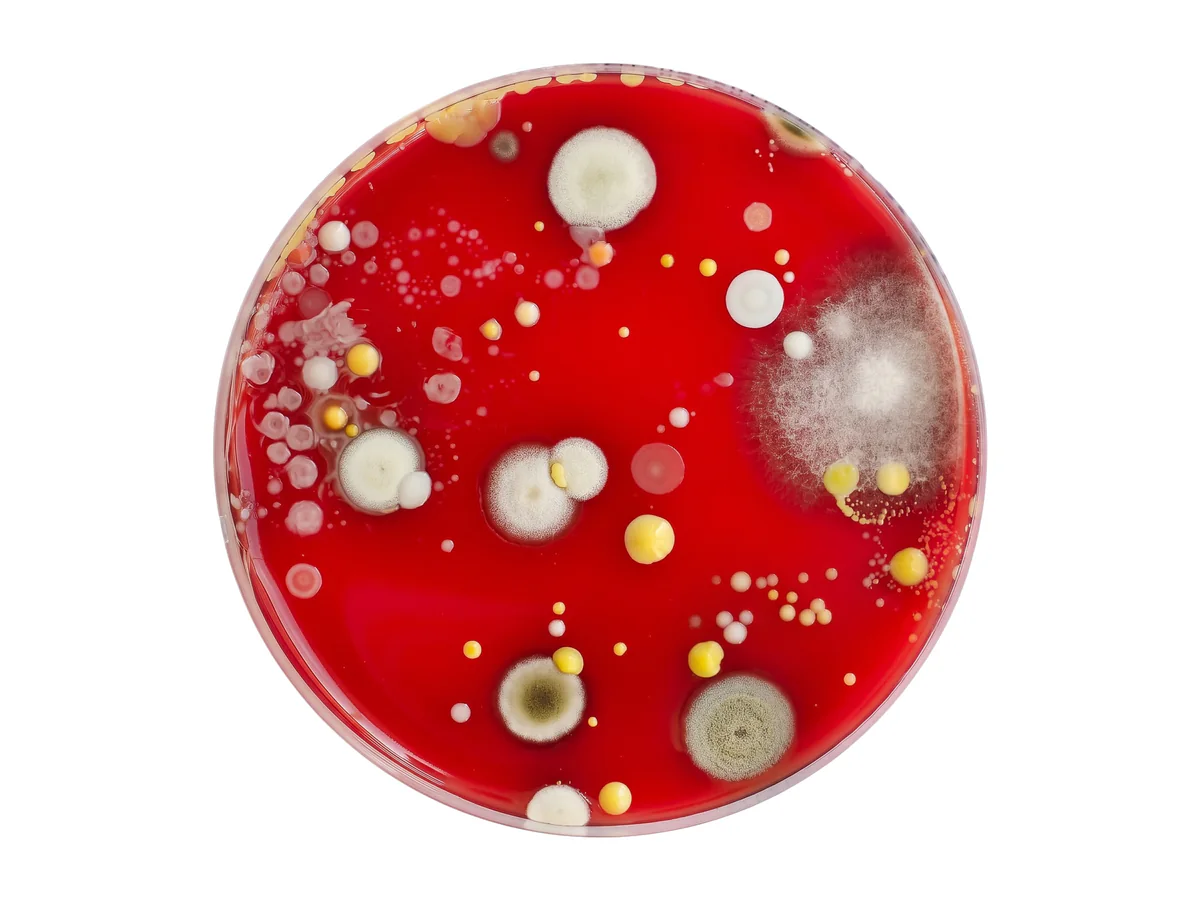
Red mold culture growing in a glass petri dish beside the water damage mold remediation estimate form in Oakville

Prefer to talk it through?

Call (289) 825-1188

Get Free Estimate

By submitting, you agree to ourTerms of Use and Privacy Policy

Get Free Estimate Call

By submitting, you agree to ourTerms of Use and Privacy Policy