
Skip to content

Mold Removal Toronto

Over 12 years, we’ve worked on more than 165 mold removal and remediation projects in Toronto. Of those, 46 involved moisture problems in condos or multi-unit buildings, and 39 involved basement or water-damage remediation.

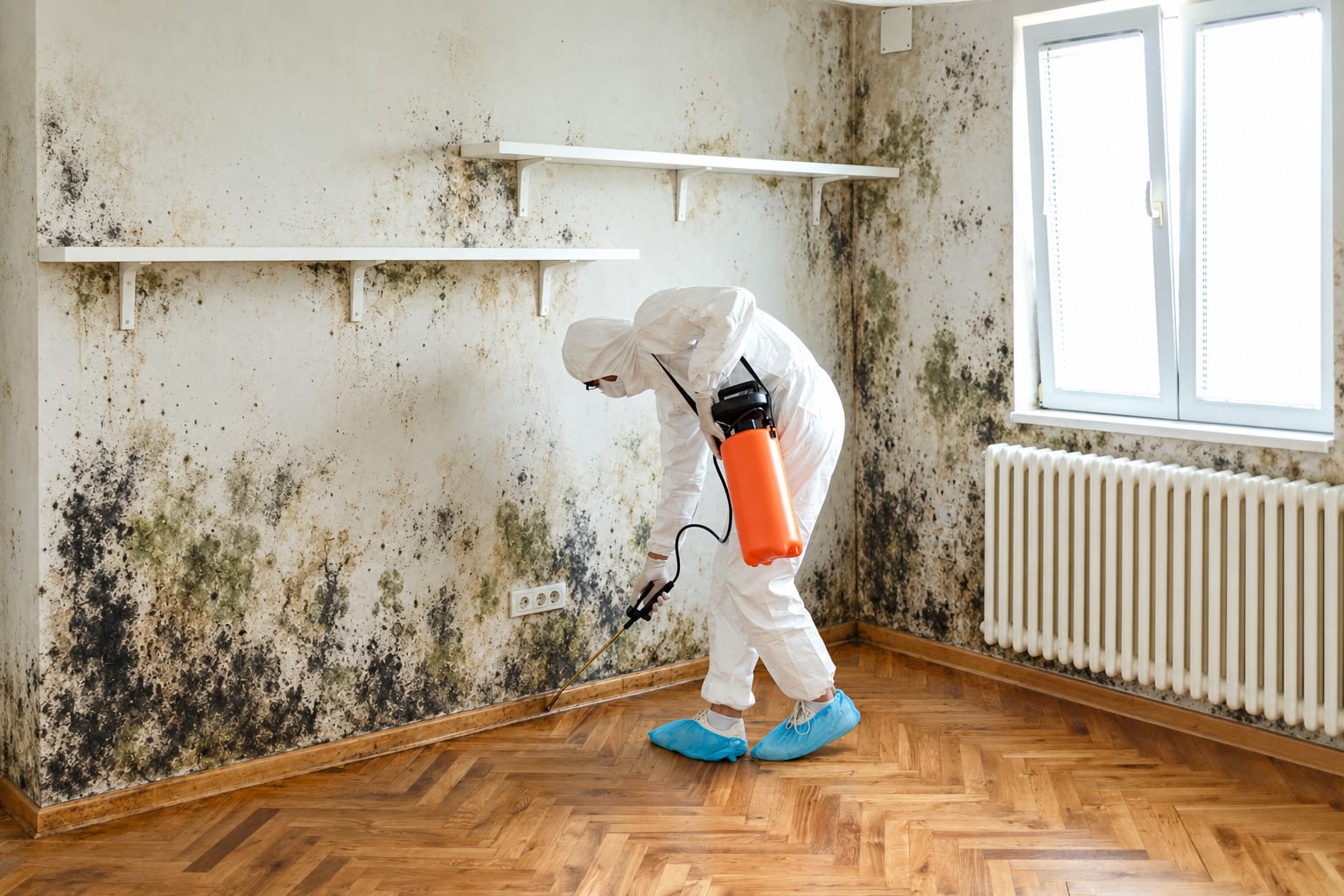
Those jobs taught us to read visible mold as a sign of moisture, not as the limit of the cleanup. We trace whether the moisture comes from plumbing, the building envelope, seepage, attic condensation or a past leak, then decide what to clean, remove or investigate.

That moisture-first method also guides our Mold Removal Oakville work across the GTA.

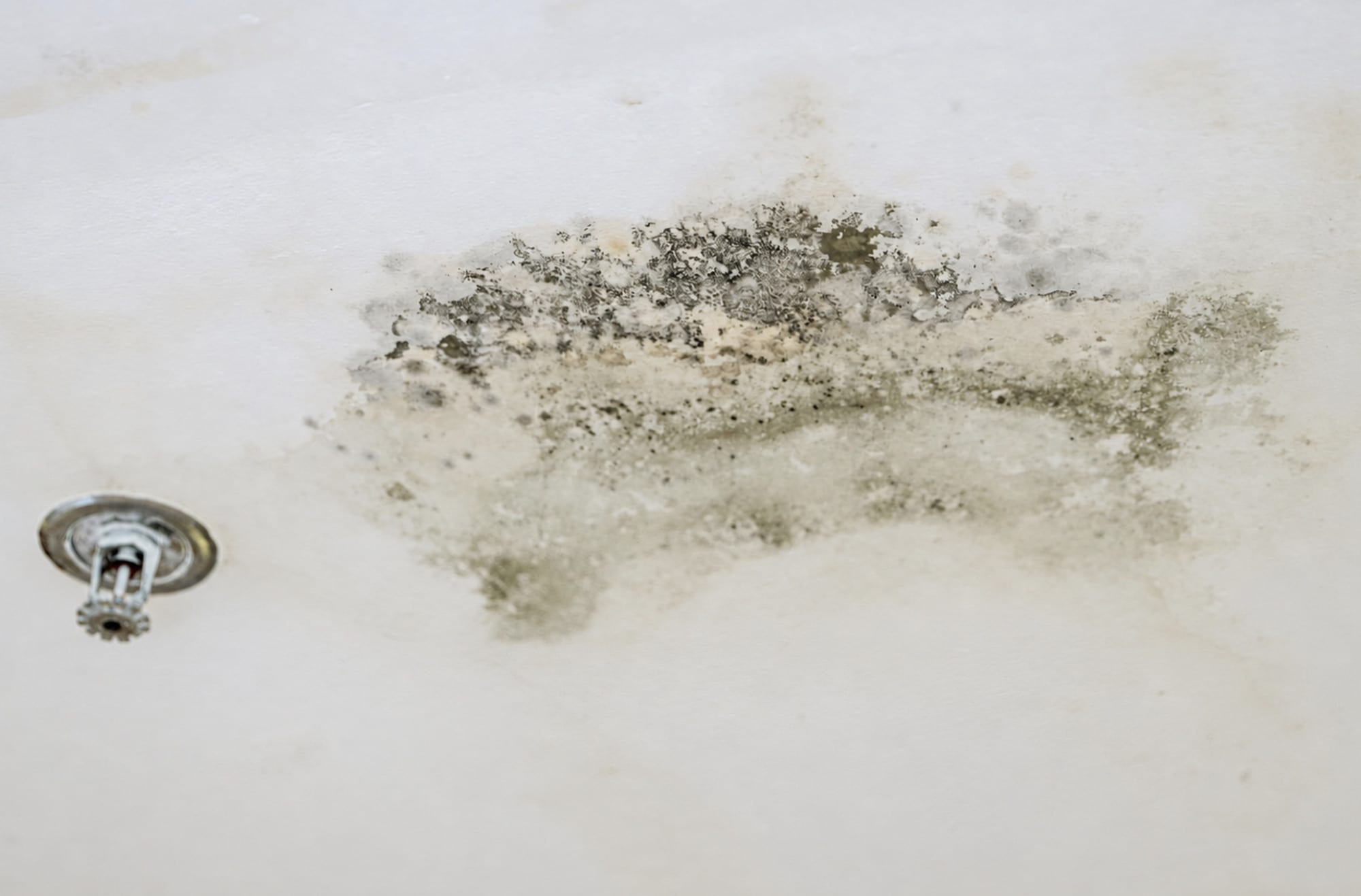
Mould staining on a white ceiling beside a sprinkler head, illustrating mold removal in Toronto

Our Projects

Project Address:
Toronto, Leslieville, Ontario
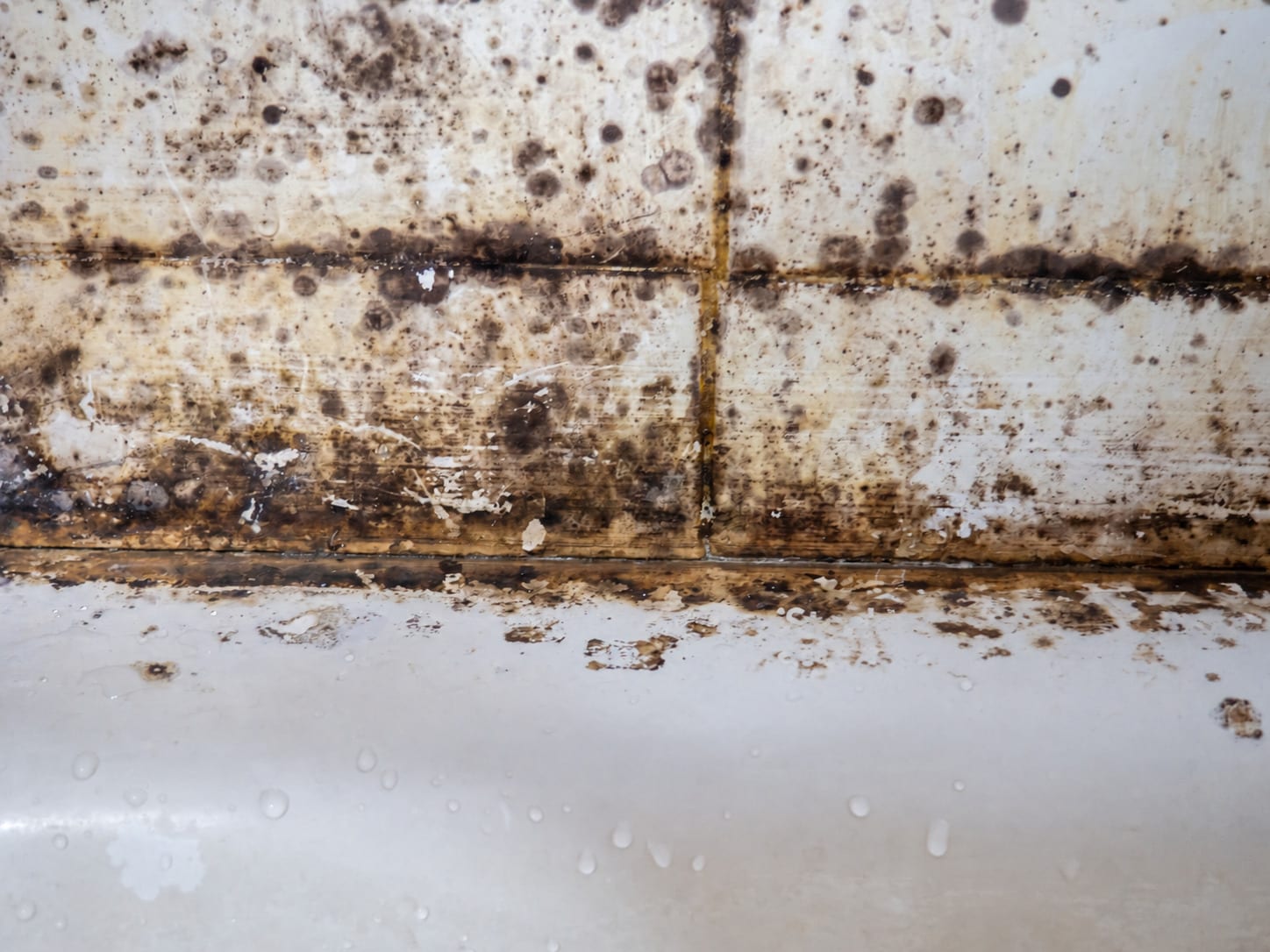
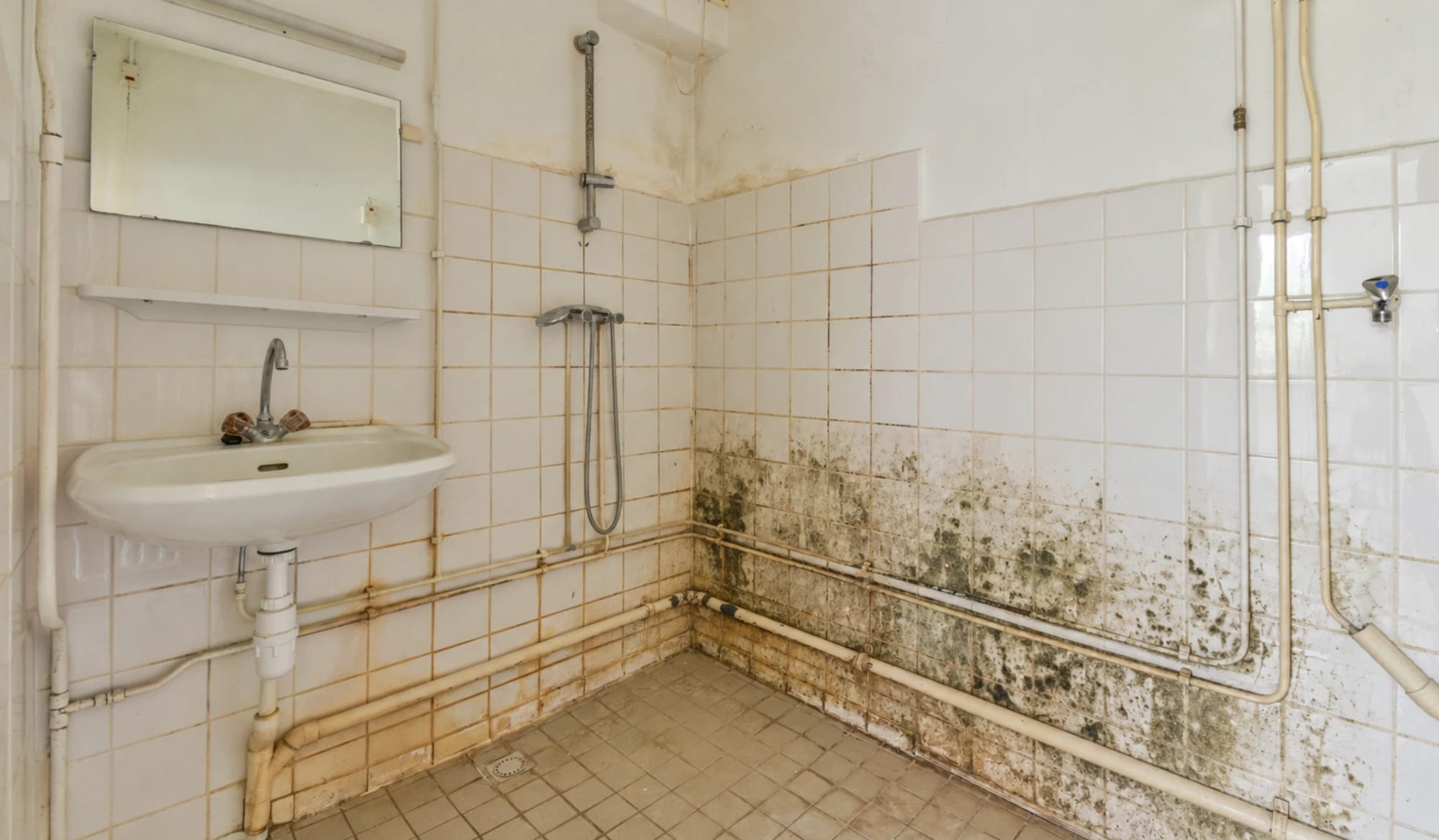
Tiled bathroom with black mold spotting in the shower corner and along grout lines beside exposed pipework

In this Leslieville bathroom, black spots were appearing along the edge of a tile/shower wall, including areas on both sides of the pipe. Poor ventilation was letting moist air stay longer than it should after each use.

The customer wished to save their existing tile; therefore, we suggested mold removal in the affected areas rather than removing all of the tile.

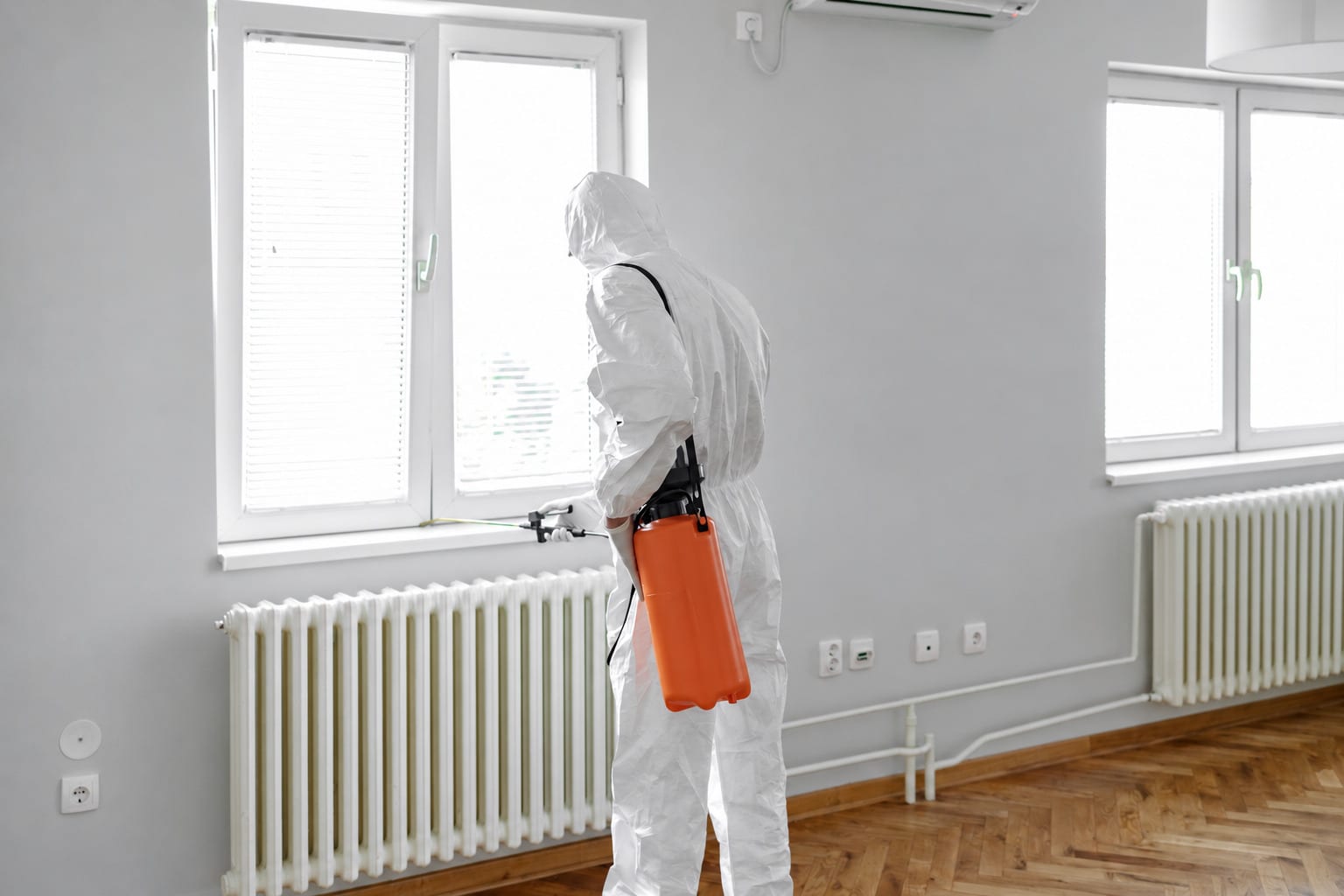
We replaced the old, deteriorated grout, used HEPA equipment for surface cleaning, and finally repaired or replaced the exhaust fan to restore proper airflow.

Project Cost: Estimated CAD $680

Completion Time: Estimated 2 Working Days
Project Address:
Toronto, The Junction, ON
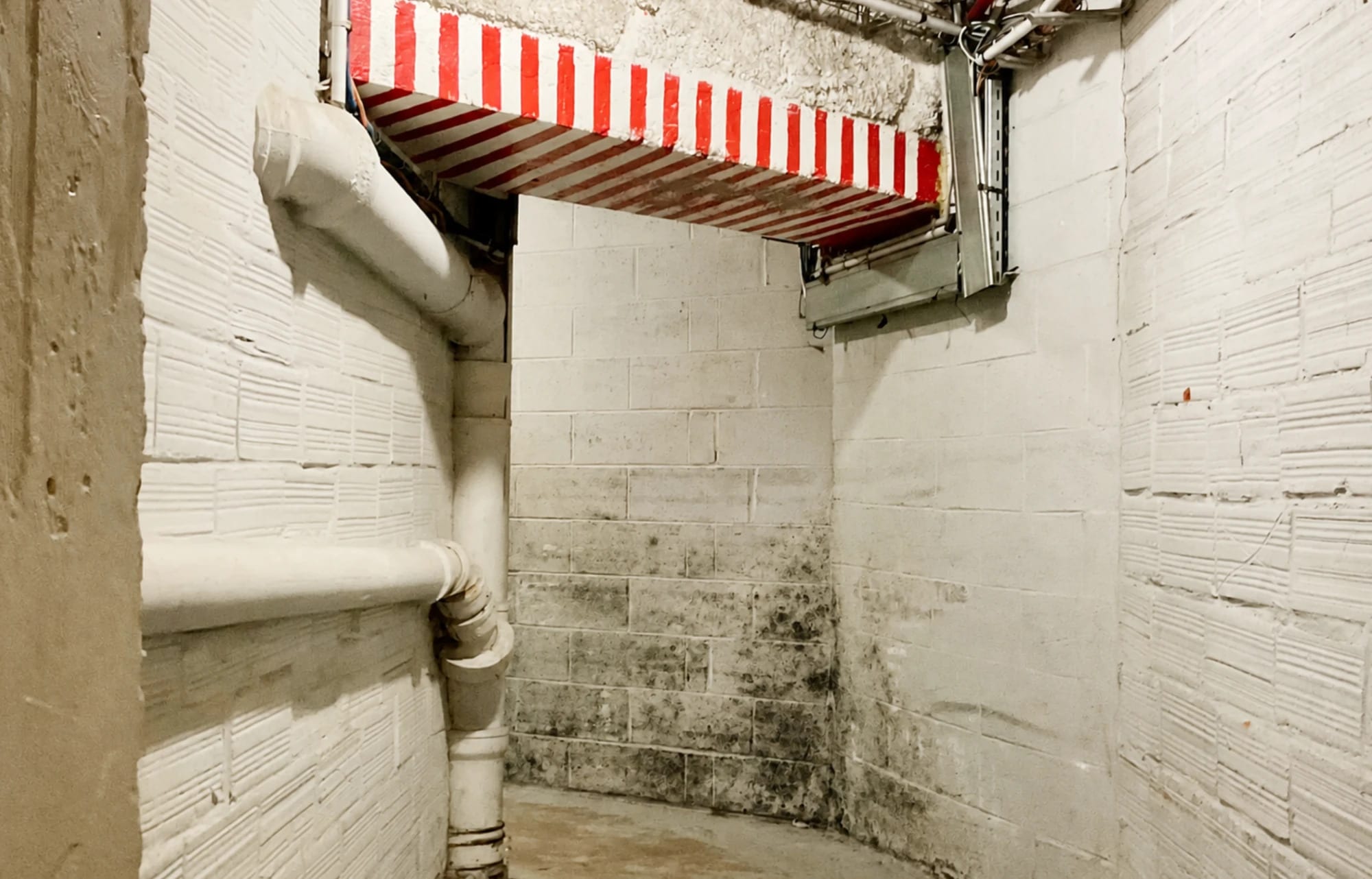
Utility room with painted concrete block walls, white drain pipes and black mold growth at the base of the wall

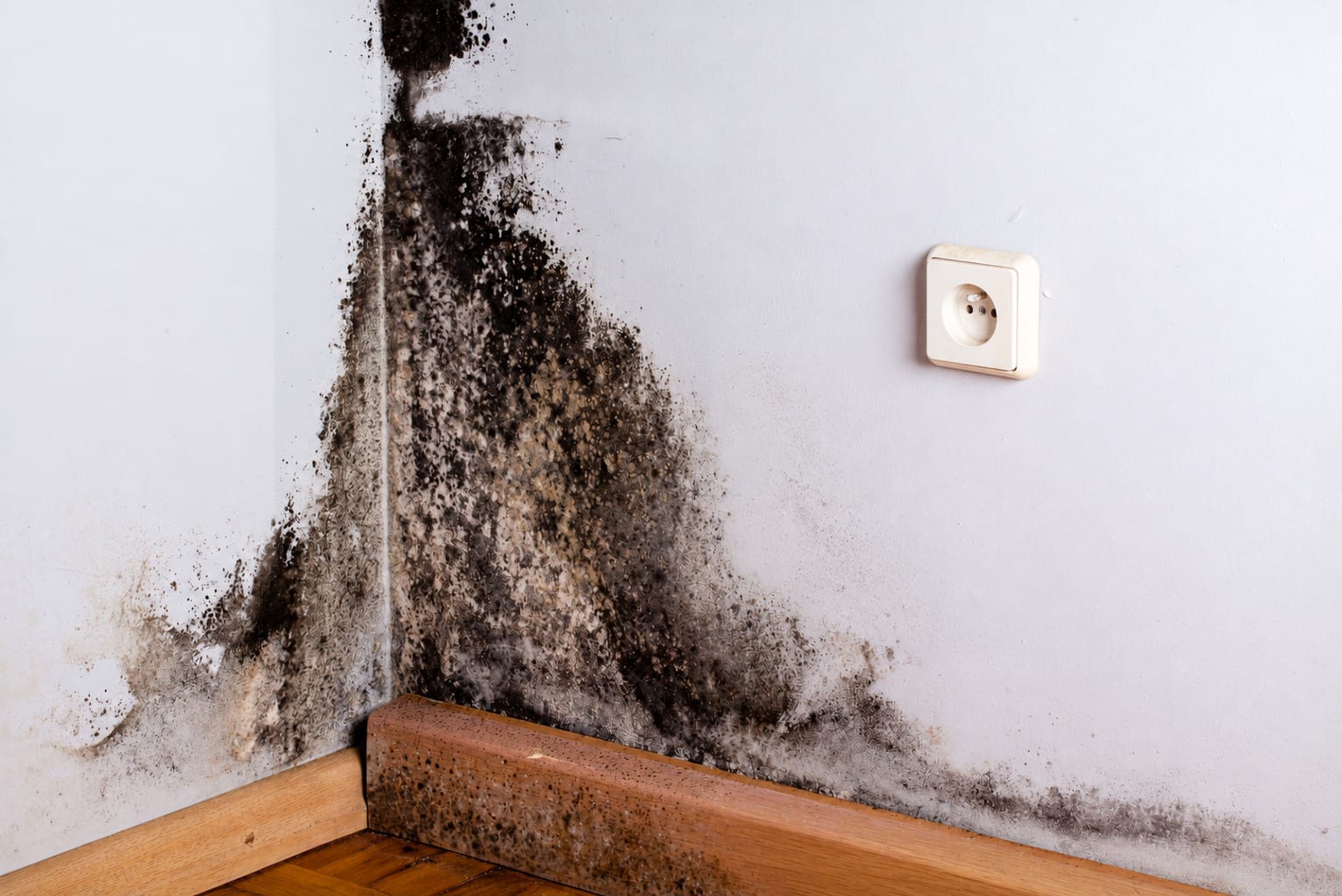
Black patches were growing at the base of the painted block walls, even though the water source was an overhead leak. A steady drip came down the hallway and kept the corner of the room damp.

The property manager just wanted to paint over it quickly; we explained why a CMU surface can’t be painted until it has dried out and been remediated for mold. After we isolated the leak, we treated all of the contaminated masonry.

Access around the overhead services added time, but major demolition was avoided.

Project Cost: Estimated $2,540 CAD

Completion Time: Estimated 2 working days

Toronto Mold Remediation Starts With the Building Type

City data shows 30% of occupied Toronto homes were condominiums in 2021, while roughly 58% of occupied dwellings were built in 1980 or earlier. In condos, moisture can cross a unit boundary, so the investigation needs extra care; in older houses, the path often runs behind walls and under roofs.

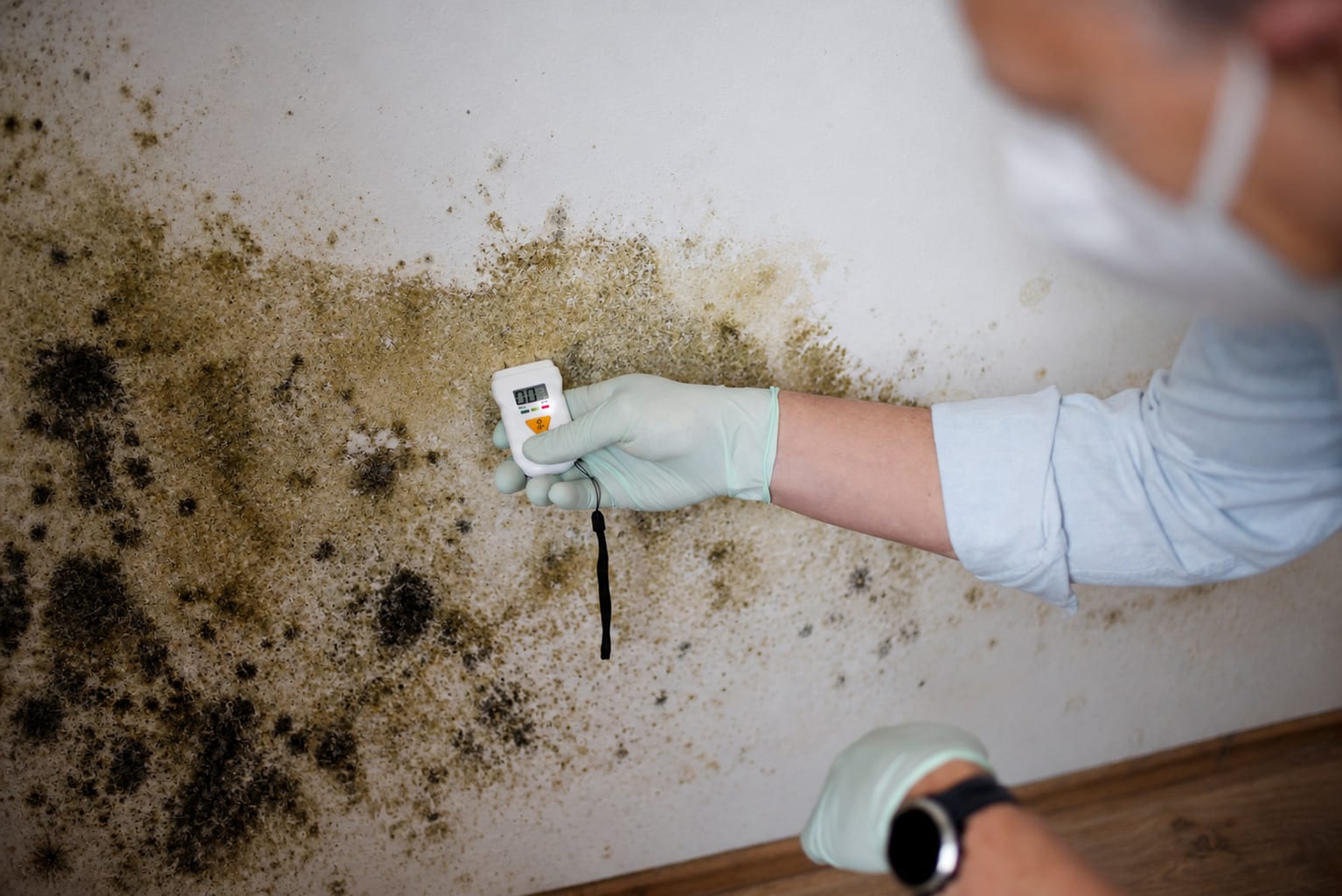
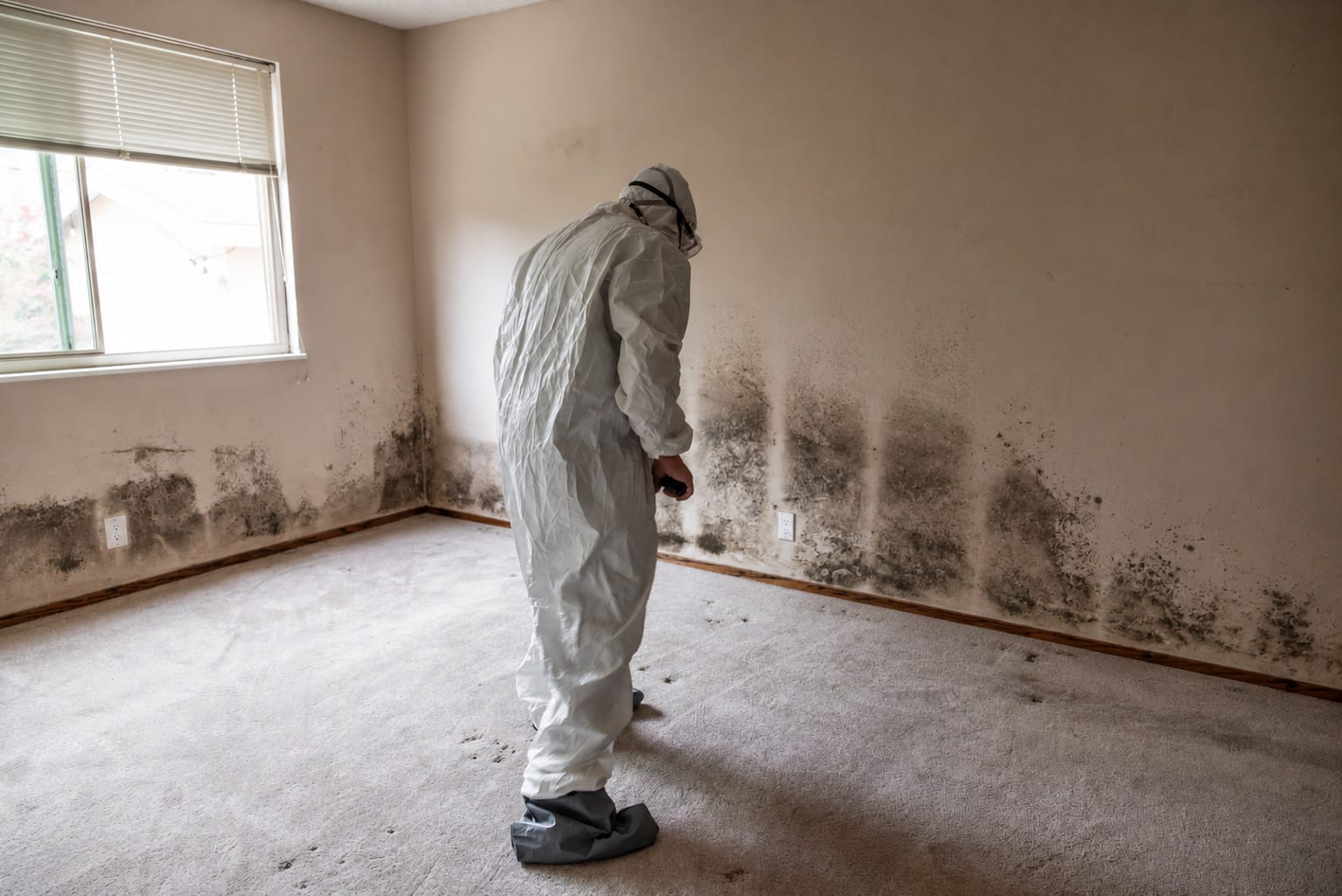
We use pin and pinless moisture meters, hygrometers and infrared imaging as screening tools, then compare readings against accessible materials before deciding whether destructive investigation is warranted.

  1. Possible Source
  2. Moisture Path
  3. Affected Assembly
  4. Material Decision

Condo Mold and Older Homes Need Different Decisions

Condo / Multi-Unit

In a condo, we begin by locating the likely moisture source: inside the unit, or a riser, exterior wall, common element or neighbouring suite.

Repair responsibility can depend on how the declaration defines the standard unit and on the other governing documents, so visible mold does not confirm that the source belongs entirely to the owner.

A thermal anomaly found during mold inspection can direct further investigation, but a thermal reading alone does not show hidden mold; moisture readings and material condition have to support each other.

Older House

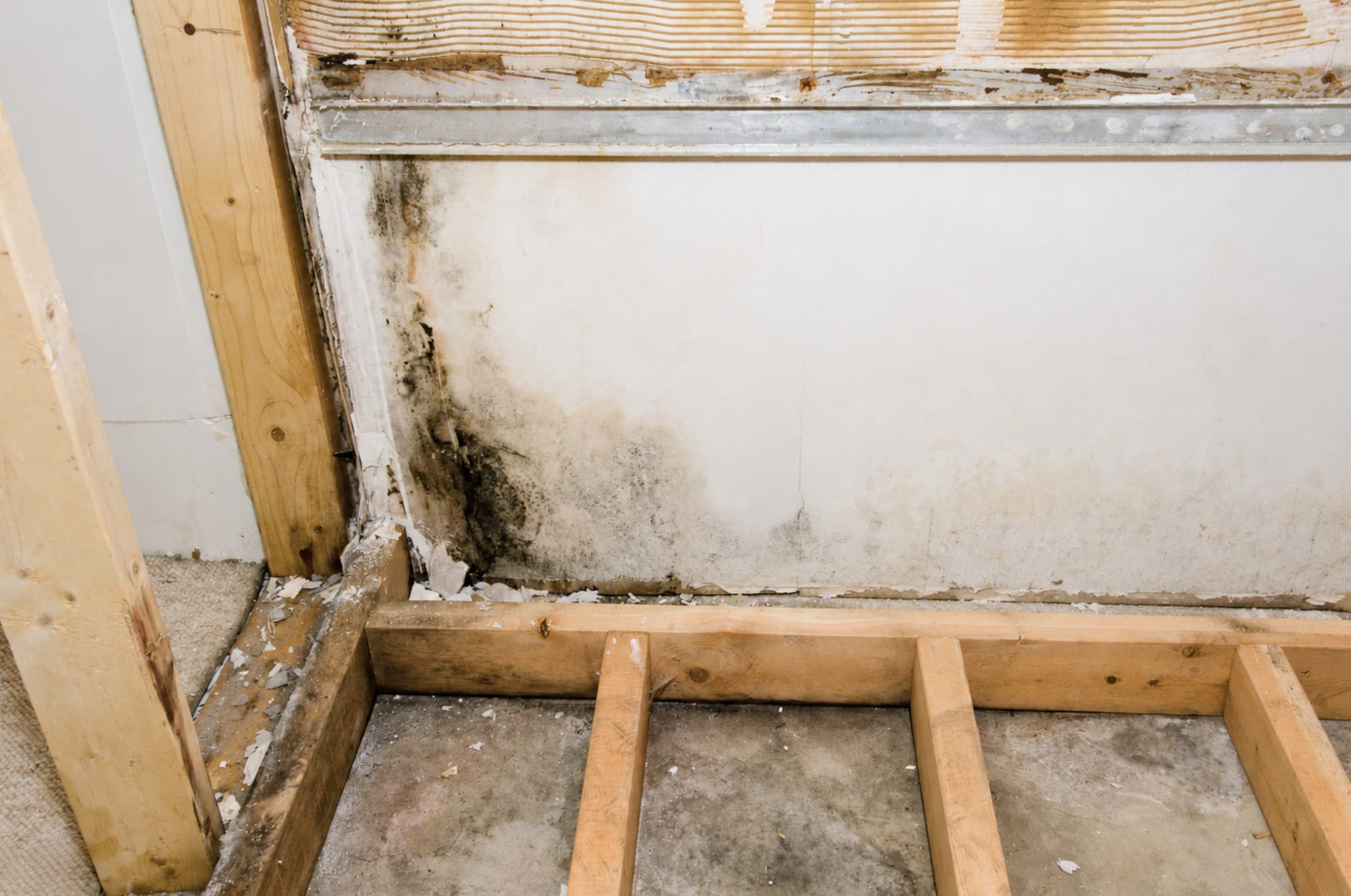
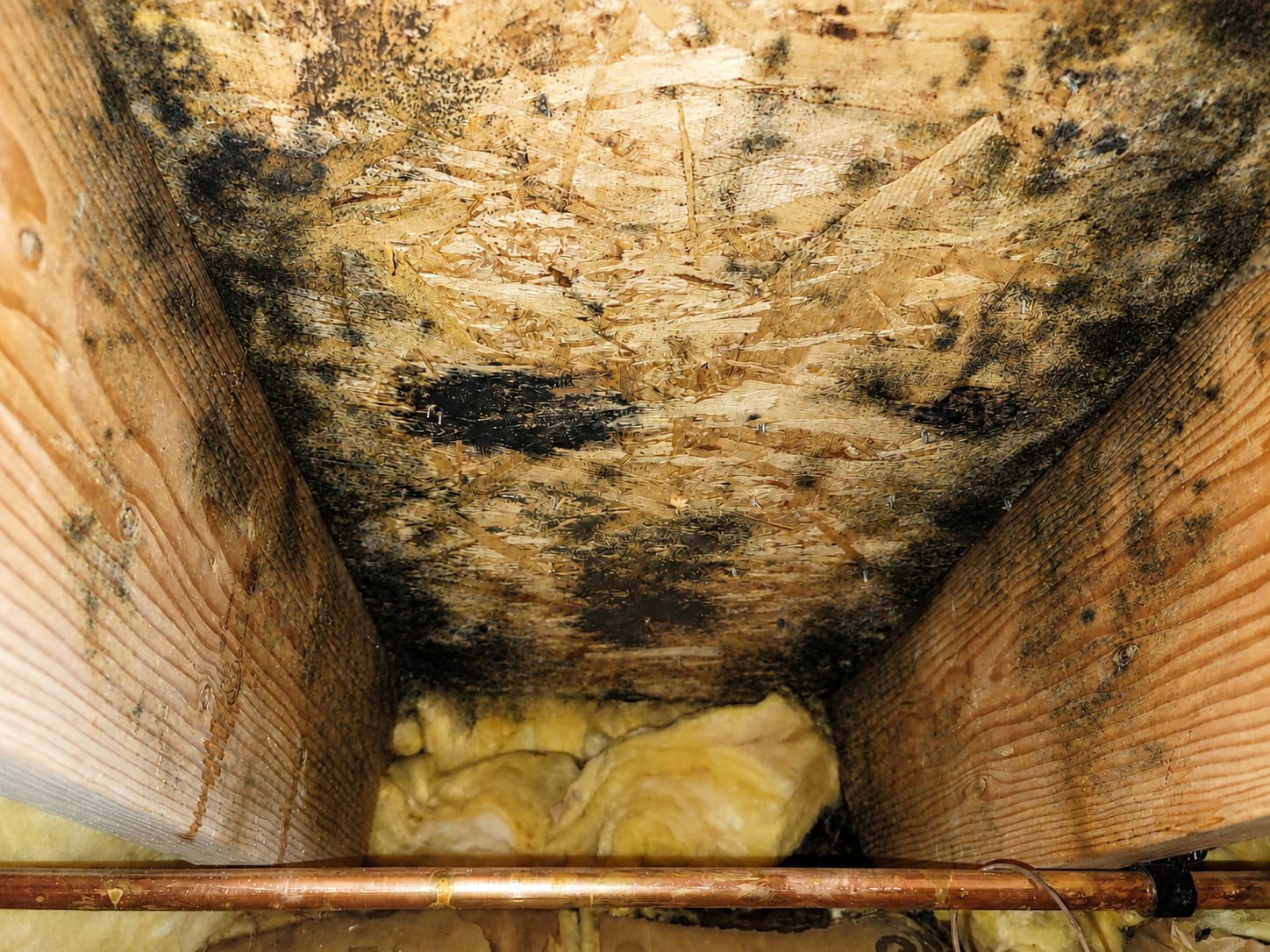
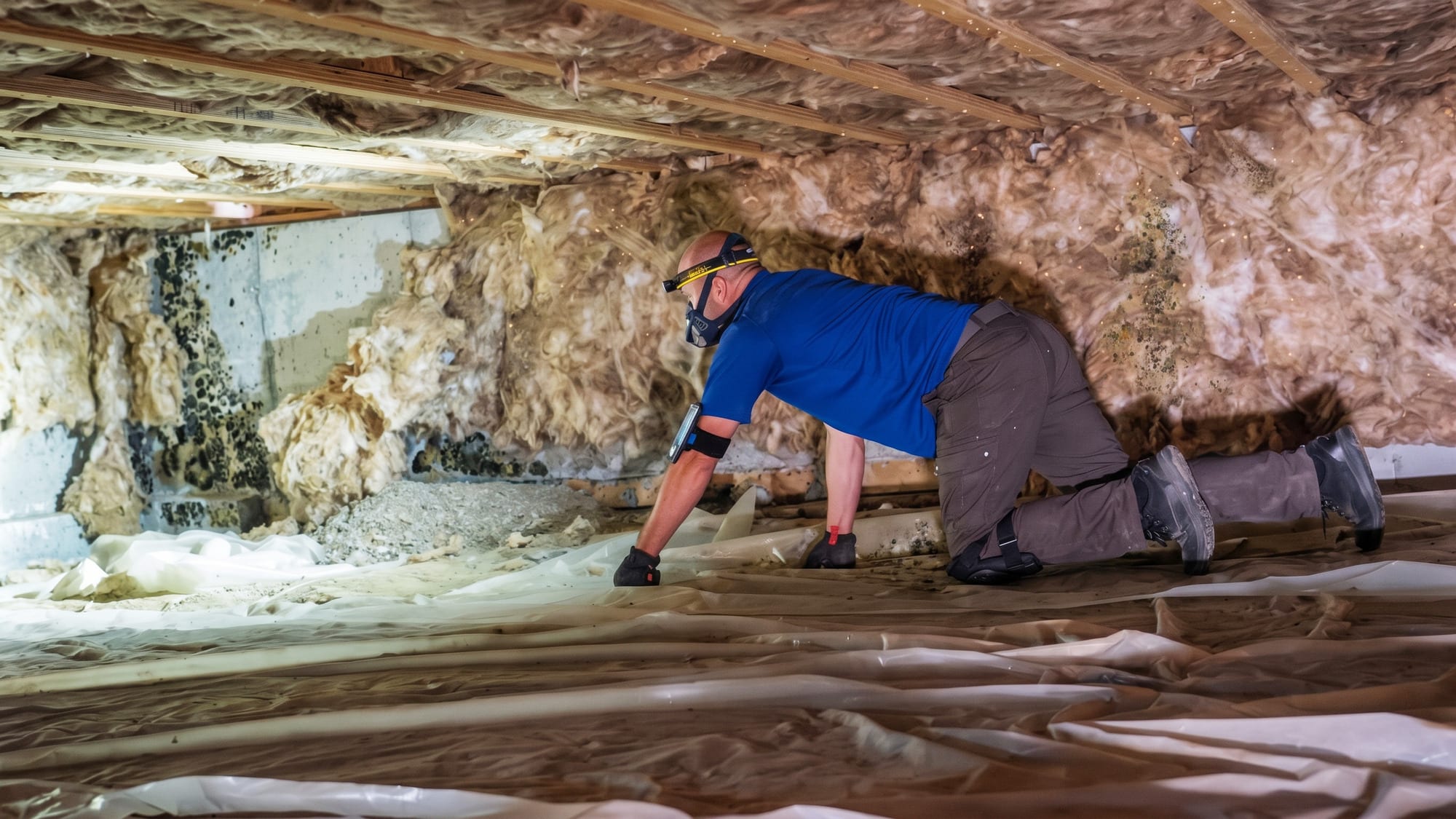
Older Toronto houses call for a different decision tree. In basements, we track moisture through paper-faced gypsum, insulation, bottom plates, framing and flooring edges instead of stopping at the visible stain.

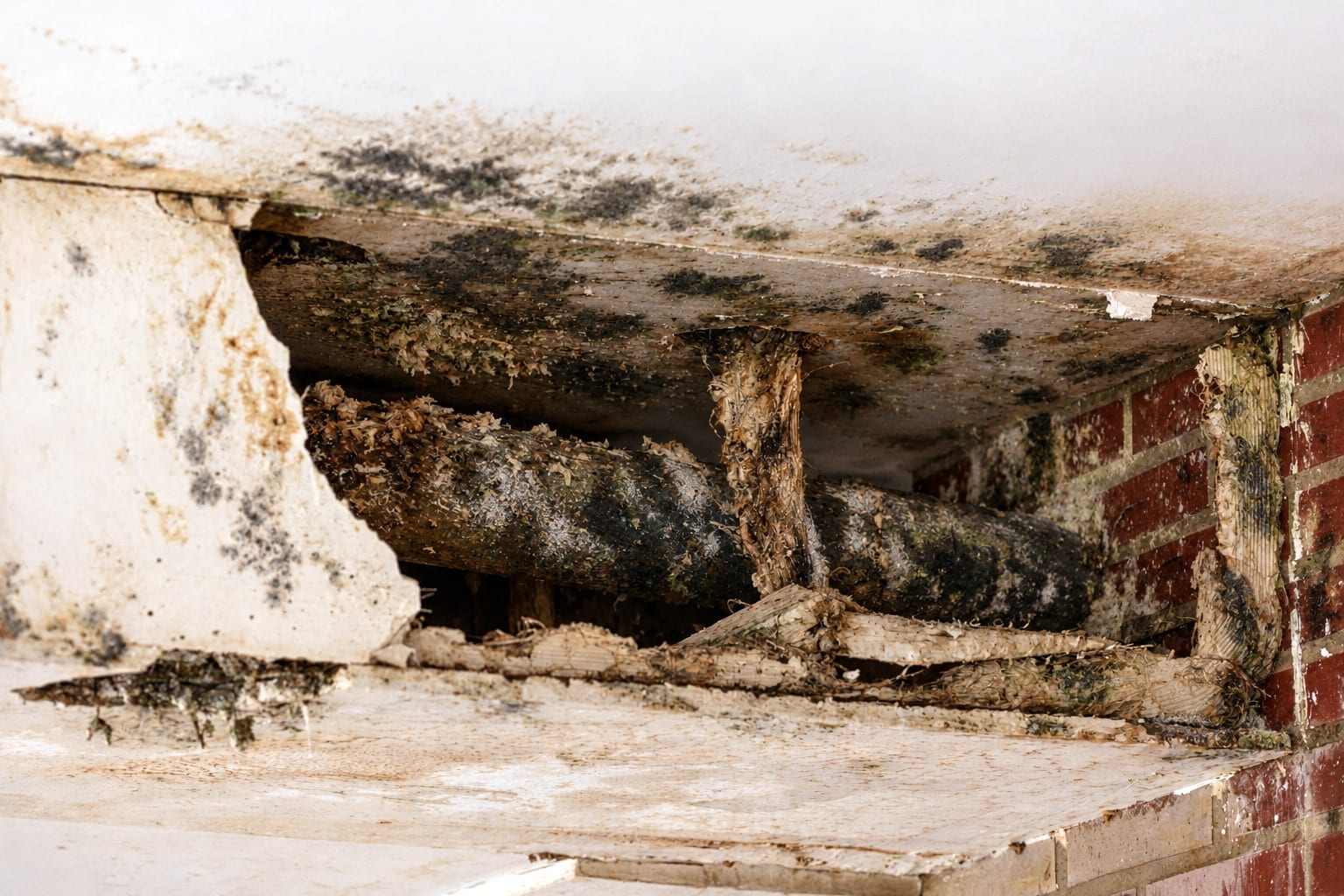
Attics also push us past the roof itself: we review roof sheathing, soffit baffles, bath-fan ducting and ceiling-plane air leakage before blaming the roof.

Wall with exposed wood framing and dark mould staining above the bottom plate, illustrating mold removal in Toronto

How We Set the Toronto Mold Removal Scope

If contaminated material will be disturbed, we enclose the work area with poly containment and run HEPA-filtered air filtration. Porous drywall or insulation that can’t be cleaned or dried reliably may need selective removal, while sound framing can usually stay when its condition supports retention. Working material by material ties the scope to evidence rather than a default demolition plan.

After a leak or flood, we always separate drying from remediation. LGR dehumidifiers and air movers can lower moisture levels, but they can’t remove contamination from porous materials. For water damage mold remediation, we compare retained materials against unaffected reference readings before any reconstruction, so a wall is never closed merely because the surface feels dry to the touch.

Mold Removal Toronto FAQs

Do I need air testing before mold removal?

Not automatically. Health Canada says air testing is typically unnecessary when visible mold and excess moisture clearly identify the problem.

Can condo mold involve the corporation?

Yes. Responsibility depends on which components are affected and on the governing documents.

Does dark mold mean toxic black mold?

No. Colour alone does not identify the species or determine the remediation scope.

Should every wet wall be removed?

No. The type of material, the degree of contamination and how well it dries matter more than a one-size-fits-all rule.

Can mold return after remediation?

Yes, if seepage, pipe leaks, exhaust leaks or condensation continue in the space.

Show Us What You’ve Noticed

Tell us where you found it and what happened before it appeared. We’ll help you separate the visible symptom from the moisture mechanism that needs solving.

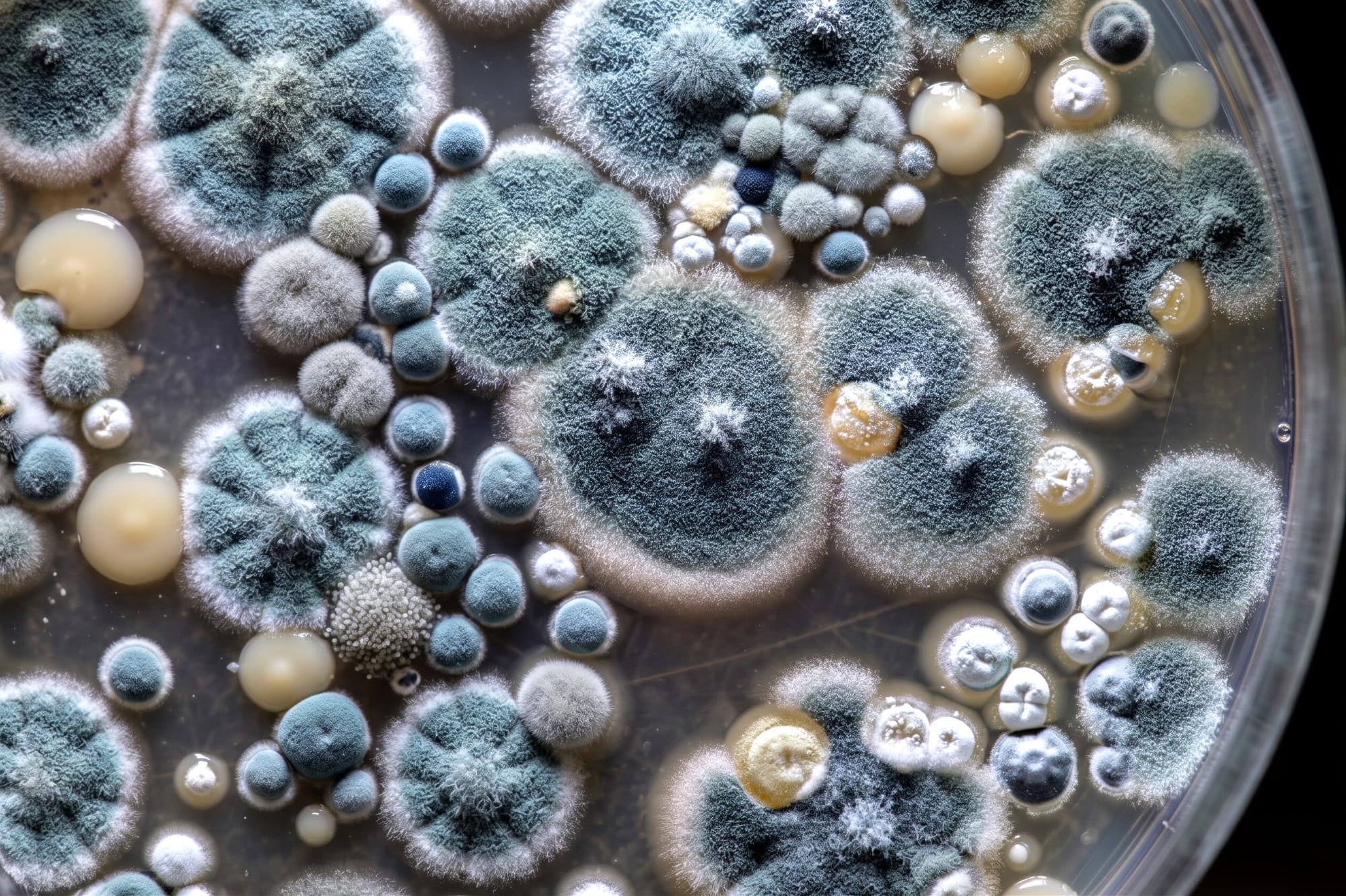
Red mold culture growing in a glass petri dish beside the estimate form on the Mold Removal Toronto page

Prefer to talk it through?

Call (289) 825-1188

Get Free Estimate

By submitting, you agree to ourTerms of Use and Privacy Policy

Serving Toronto and Surrounding Areas

Get Free Estimate Call

By submitting, you agree to ourTerms of Use and Privacy Policy